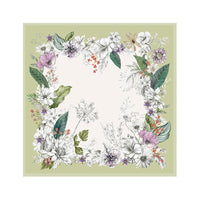
The Arabic fashion hijab represents a vibrant intersection of cultural heritage and contemporary design. From traditional arranged styles in the Gulf to modern interpretations seen in metropolitan centers like Dubai, an Arabic women’s hijab is both a symbol of modesty and a statement of personal style. In the international market, terms such as Arabic hijab, Arabic style hijab, and Middle Eastern hijab are commonly used by designers, retailers, and consumers seeking garments that combine authenticity with current fashion trends.

Cultural Roots and Contemporary Meaning:
Historically, the headscarf has deep cultural and religious significance across Arab societies. Today’s Arabic hijab designs often draw on this history while incorporating modern fabrics and embellishments. Designers may blend classic draping techniques with materials such as chiffon, modal, jersey, and viscose to create pieces that are breathable, lightweight, and suitable for year-round wear. The result is a wide range—from minimalist cotton hijabs for everyday use to luxury rhinestone hijabs for formal occasions.
Key Styles and Materials to Watch For:
When selecting Arabic style hijab products for wholesale or retail, prioritize clarity on style and fabric. Popular styles include square hijabs, long shawl hijabs, and ready-to-wear khimar styles. High-demand materials are chiffon hijab and modal hijab for their drape, jersey hijab for its stretch and comfort, and satin or silk blends for premium lines. For markets seeking embellished pieces, search terms like rhinestone hijab and embroidered hijab consistently convert well.
Styling Tips: How to Wear an Arabic Hijab with Confidence:
Styling an Arabic hijab can be adapted to suit personal taste and occasion. For a polished daytime look, pair a breathable cotton or jersey hijab with structured outerwear. For formal events such as weddings or Eid celebrations, choose a chiffon or satin hijab with tasteful embellishment and secure it with minimal pins to preserve fluid lines. Layering shawls or adding a lightweight underscarf improves hold and comfort for active wearers. Use search phrases like Eid hijab or wedding hijab when curating product assortments for seasonal promotions.

Occasions and Market Demand: Ramadan, Eid, and Beyond:
Seasonal events heavily influence demand for Arabic women’s hijab. Ramadan and Eid drive increased interest in refined, gift-worthy pieces—luxury hijab and embellished shawls frequently see higher purchase intent. Additionally, markets in the Gulf and North Africa often seek region-specific styles such as Gulf or Dubai style hijabs. For wholesale buyers, offering both plain core SKUs (one size hijab, breathable fabric) and premium embellished SKUs creates a balanced portfolio that meets diverse customer needs.
Q&A:
Q1: What fabrics are best for hot climates in the Middle East?
A1: Lightweight, breathable fabrics such as chiffon, modal, and cotton jersey perform best in hot climates; they wick moisture and drape well without clinging. Search terms: breathable hijab, lightweight hijab.
Q2: Can I order custom designs or private label hijabs for my store?
A2: Yes — many suppliers provide private label and OEM services. If you require custom colors, tags, or packaging, inquire about minimum order quantities and sample policies. Search for private label hijab or hijab manufacturer.
Q3: How should embellished hijabs (e.g., rhinestone hijab) be cared for?
A3: Hand-washing in cold water with mild detergent and gentle handling preserves embellishments. For heavier embellishments, recommend dry-cleaning. Clearly note care instructions on product pages to reduce returns.
Q4: What are the typical wholesale terms for Arabic hijabs?
A4: Wholesale terms vary; common considerations are MOQs (minimum order quantities), unit pricing at different tiers, lead times, and private-label setup fees. Use keyword phrases like bulk hijab supplier and hijab wholesale supplier when searching for credible vendors.
Q5: How do regional styles differ across Arab markets?
A5: Regional preferences influence length, drape, color palettes, and ornamentation. For example, Gulf and Saudi markets may prefer modest silhouettes with luxe finishes, while other regions may favor printed or lightweight everyday styles. Use market-specific keywords (e.g., Dubai style hijab, Saudi hijab) to tailor assortments.
Conclusion and Call to Action:
Arabic fashion hijabs offer a versatile and commercially attractive category for both retail and wholesale channels. Whether you are curating a seasonal Eid collection, sourcing plain core SKUs for year-round sales, or seeking private label partners, a balanced assortment of chiffon hijab, modal hijab, jersey hijab, and select luxury pieces will meet diverse customer needs. For reliable wholesale terms, competitive bulk pricing, and private label options, visit womanscarf.com or contact our wholesale team to discuss MOQ, samples, and seasonal catalogs.