
-
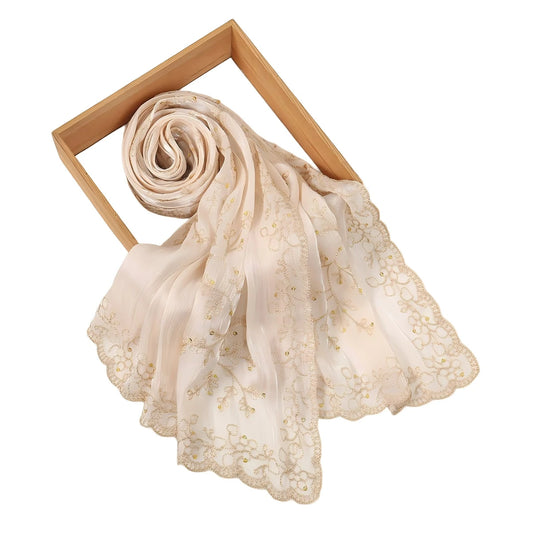
Wholesale Elegant Floral Premium Embroidered Hijab with Sequins
Regular price $5.14 USDSale price $5.14 USDUnit price per
Regular price -
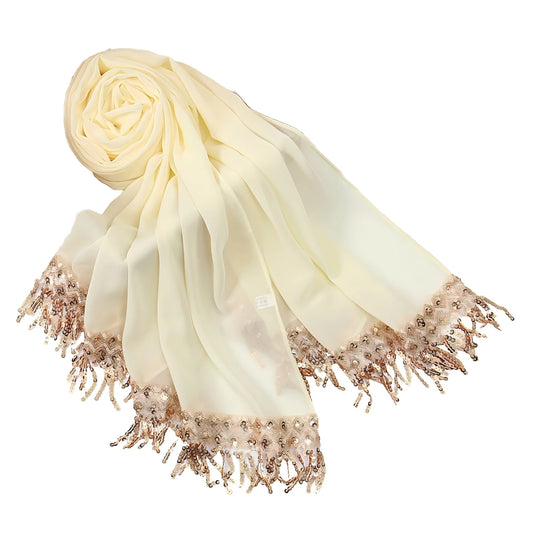
Wholesale Bulk Chiffon Hijabs Sequin Tassel for Modest Fashion Boutiques
Regular price $3.62 USDSale price $3.62 USDUnit price per
Regular price -
Wholesale Premium Pleated Glitter Hijab with Sparkle Dots
Regular price $1.93 USDSale price $1.93 USDUnit price per
Regular price -
Wholesale Luxury Beaded Chiffon Hijab Gold Embroidery and Pearls
Regular price $0.00 USDSale price $0.00 USDUnit price per
Regular price -
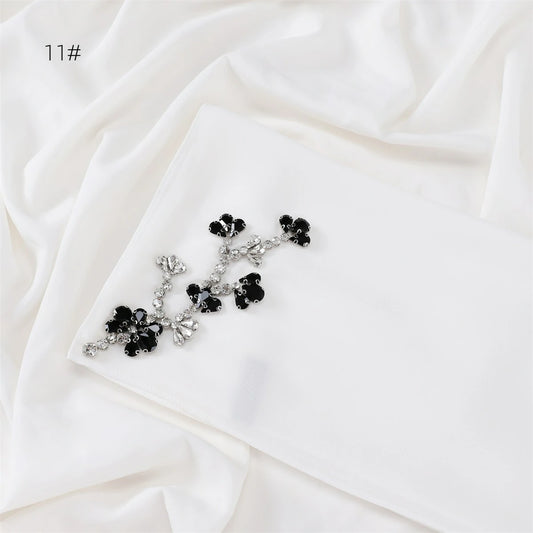
Wholesale Luxury Chiffon Crystal Embellished Hijab with Rose Gold Flowers
Regular price $0.00 USDSale price $0.00 USDUnit price per
Regular price -
Wholesale Pearl Bow Chiffon Hijab Ruffle Edges Square Luxury Modest Scarf Shawl
Regular price $0.00 USDSale price $0.00 USDUnit price per
Regular price -
Wholesale Luxury Chiffon Hijab with Rhinestone Edge Diamond Trim Scarf
Regular price $0.00 USDSale price $0.00 USDUnit price per
Regular price -
Wholesale Luxury Bubble Chiffon Hijab with Gold Pearl Chain Border
Regular price $0.00 USDSale price $0.00 USDUnit price per
Regular price -
Wholesale Pearl Butterfly Chiffon Hijab 3D Embroidered Cloud Dancer Muslim Scarf Shawl
Regular price $0.00 USDSale price $0.00 USDUnit price per
Regular price -
Wholesale Women's scarf 3D Roses Rhinestones Chiffon Jersey Hijab
Regular price $0.00 USDSale price $0.00 USDUnit price per
Regular price -
Wholesale Luxury Pearl Beaded Hijab Solid Color Pearl Trim Muslim Scarf
Regular price $0.00 USDSale price $0.00 USDUnit price per
Regular price -
Wholesale Floral Diamond Premium Chiffon Hijab Islamic Scarf
Regular price $0.00 USDSale price $0.00 USDUnit price per
Regular price -
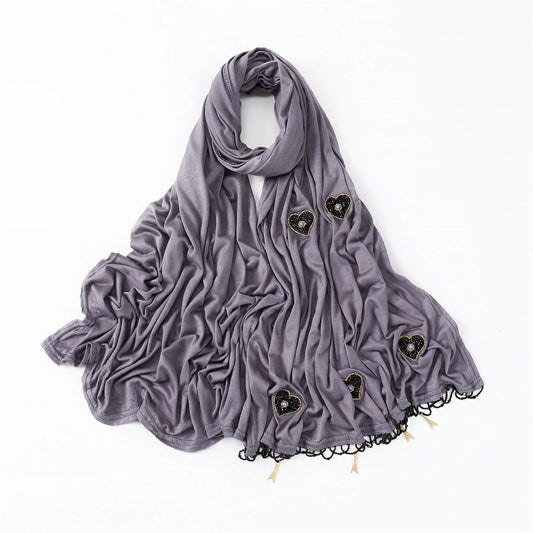
Wholesale Premium Viscose Jersey Hijab with Beaded Hearts Tassel Cloud Dancer Scarf
Regular price $0.00 USDSale price $0.00 USDUnit price per
Regular price -
Wholesale Women's Rhinestone Modest Fashion Chiffon Cloud Dancer Hijab Scarf
Regular price $0.00 USDSale price $0.00 USDUnit price per
Regular price -
Wholesale Luxury Brown Chiffon Hijab Pearl Drops Beaded Edges
Regular price $0.00 USDSale price $0.00 USDUnit price per
Regular price -
Wholesale Islamic Muslim Women Pearl Trim Beaded Hijab Scarf
Regular price $0.00 USDSale price $0.00 USDUnit price per
Regular price






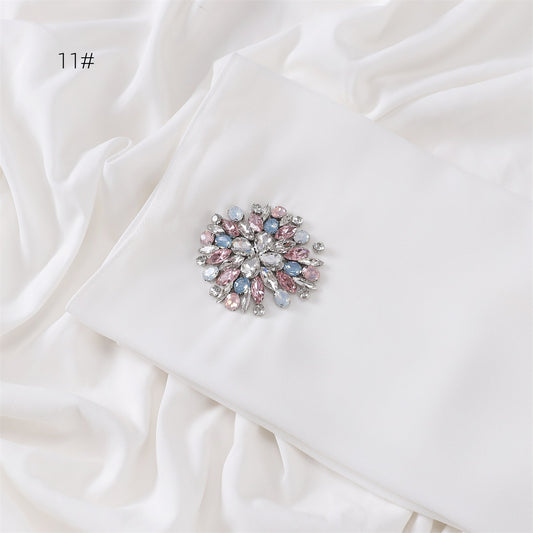

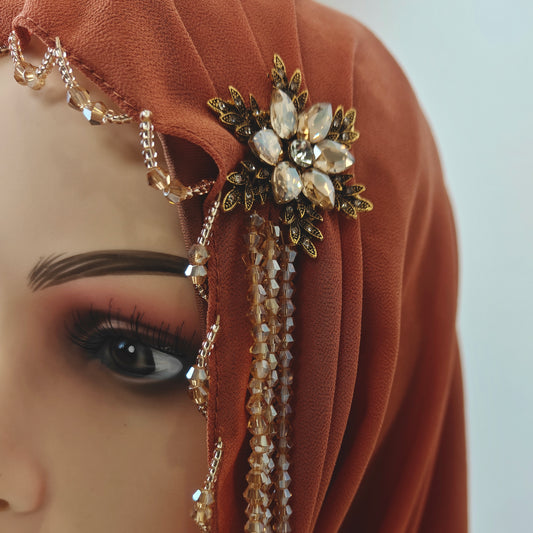

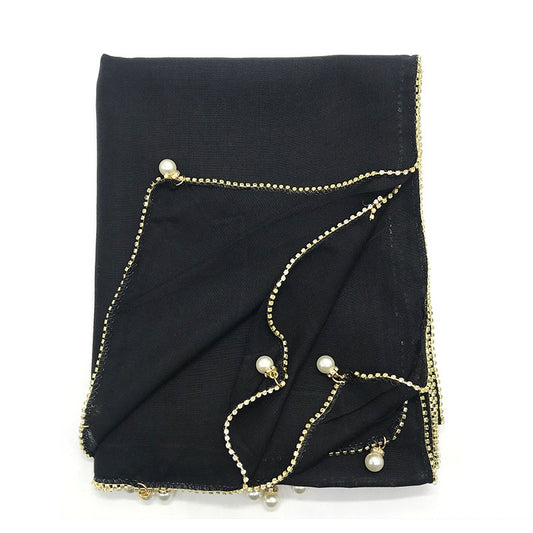
About Rhinestone Scarf
Essentially, this does not refer to a scarf entirely covered in rhinestones, but rather an elaborate method of tying a headscarf or a headdress component adorned with a profusion of rhinestones, sequins, and beaded embroidery. It is a fascinating product of the fusion between traditional ethnic identity, modern aesthetics, and socio-economic conditions.
Nomadic Roots: Among nomadic peoples such as the Kazakhs and Kyrgyz, the headscarf has always been an essential part of women's attire. Traditional headscarves served not only for warmth and sun protection but were also important symbols indicating a woman's age, marital status, and social position. For instance, young girls might wear small hats, while married women were expected to wear headscarves to signify dignity and their married status.
Influence of Islamic Culture: With the spread of Islam in Central Asia, the headscarf also took on the religious significance of modesty. However, unlike the black veil common in the Middle East, the headscarves in Central Asia place greater emphasis on ornate decoration, reflecting the Turkic peoples' preference for bright colors and intricate adornment.
From Natural Materials to Imitation Gems: Traditional headscarves used precious fabrics like silk and velvet, decorated with natural gems such as silver ornaments, coral, pearls, and agate. During the Soviet era, industrialized materials like rhinestones and sequins became more readily available, providing new, more glittering options for traditional craftsmanship. This shift formed the material basis for the development of the "rhinestone scarf" style.
Festive and Ceremonial Attire: At major occasions such as weddings, Eid al-Adha, and Nowruz, the rhinestone scarf is an essential formal accessory for women. Its dazzling brilliance complements the celebratory atmosphere of these festivals perfectly.
Deep Symbolism: The density of rhinestones and the complexity of the craftsmanship on the headscarf often correlate with the family's economic standing. A meticulously crafted headscarf densely covered in rhinestones is a manifestation of the family's prosperity and the importance they place on the event.
Rhinestone Scarf is not merely a fashion term. It is a vivid case study of cultural adaptation and innovation by Central Asian peoples, particularly the Kazakh and Kyrgyz nations, in the process of modernization. It journeyed from the nomadic steppes, underwent transformations during the Soviet period, and is now experiencing a revival in the globalized era through social media. It symbolizes ethnic identity, female empowerment, and the aspiration for a "sparkling life"—a flowing epic of ethnic culture, worn upon the head.
Frequently Asked Questions (FAQs)
What is the minimum order quantity?
Our minimum order quantity (MOQ) is typically 10 scarves, but the exact number can be negotiated based on the product type and customer requirements.
Can scarves be customized in color and pattern?
Yes, we offer customization options for both color and pattern of scarves. Customers can select colors and designs according to their brand image or market demands.
Do you have your own factory?
We are scarf manufacturers with our own factories located in Yiwu and Shenzhen.
Do you provide samples?
Yes, we can provide samples for customers to evaluate. The cost of the samples can be deducted from subsequent bulk orders.
What is the lead time for delivery?
The standard lead time for delivery is 4-6 weeks after placing an order. The exact time depends on the order quantity and customization requirements. We will provide an accurate delivery date upon order confirmation.
How are shipping costs calculated?
Shipping costs are calculated based on the order weight, destination, and chosen mode of transportation. We will provide detailed shipping cost information upon order confirmation.


