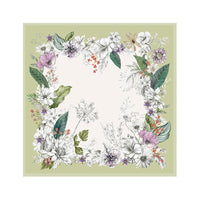
We design, curate and supply ink-wash scarves — also referred to as ink wash scarf, Chinese ink scarf, sumi-e scarf, shuimo scarf or ink art scarf — because we believe a well-made scarf can communicate culture, care and sustainability at once. In this guide I explain, from our hands-on perspective, why these scarves work extremely well as premium cultural gifts, what to look for when sourcing or buying, how we ensure quality and sustainability, and practical steps for wholesale or private-label orders through womanscarf.com.

Why we position ink-wash scarves as premium cultural gifts:
We position ink-wash scarves as premium gifts because the design language (brushstroke, negative space, calligraphic elements, landscape or floral motifs) carries cultural narrative that mass-production accessories do not. When we present an ink painting scarf to a recipient — whether as a corporate gift, a diplomatic token or a personal present — we intentionally package context: the artist’s inspiration, the technique used, and the material story. That contextual layer is what transforms a scarf into a memorable cultural object.
Materials and tactile choices we prioritize:
We choose materials that balance aesthetic, longevity and wearer comfort. For luxury gifting we favor silk (charmeuse or chiffon) for its drape and luminous surface; for a premium but more casual option we use modal or high-grade viscose for softness and washability; for eco-conscious lines we offer organic cotton and responsibly sourced modal. In every case we evaluate weave, weight, edge finish (hand-rolled hem versus machine hem), and how the material receives ink or pigment: a silk ink scarf will show brushstroke detail differently from a modal ink scarf, and we list both options clearly.
Design authenticity and production methods we endorse:
-
We differentiate three production tiers:
(1) artist-collaborative or hand-finished pieces (hand-painted accents, limited runs).
(2) small-batch digital or screen-printed collections with high-definition brushstroke reproduction.
(3) economical mass-print runs for mainstream retail.
For sustainability and gifting, we recommend tiers (1) and (2): they reduce overproduction and carry provenance. We also prefer low-impact printing options (digital reactive printing or water-based pigments where available) and inspect samples for color fidelity and brushstroke resolution.
Sustainability practices we implement and verify:
We document material origin and request supplier disclosures on dye/ink chemistry and wastewater handling. Where clients prioritize certifications we reference third-party standards such as OEKO-TEX for harmful substances or GOTS for organic cotton, and we recommend FSC-certified packaging for gift boxes. Importantly, we reduce environmental impact by planning limited editions, offering repair/aftercare guidance, and encouraging reuse packaging options.
How we help buyers select the right scarf — concrete criteria:
When advising buyers we filter by: recipient profile (corporate, VIP, personal), desired presentation (boxed set, individual wrap), material preference (silk, modal, organic cotton), artwork tier (hand-finished vs. small-batch print), and logistics constraints (sample approval, packaging needs). For corporate clients looking for a universally acceptable size we suggest a rectangular 70×180–90×180 cm range for versatile drape; for boutique or jewelry-paired offerings we recommend smaller squares (50×50–70×70 cm) or oblong scarves with hand-rolled hems.

Packaging, storytelling and added-value elements we recommend:
We advise including a short story card (100–150 words) describing the design inspiration and care tips, a printed care label with washing recommendations, and aesthetic packaging that reinforces the gift’s cultural positioning (linen-feel boxes, ribbon, or a recycled material sleeve). For limited or hand-painted editions we include a numbered authenticity label and an artist statement to elevate perceived value.
Quality control checks we perform before shipping:
Before approving bulk shipments we check: dimensional accuracy, hem/edge finish, seam strength, color match against approved sample under standardized lighting, ink migration and colorfastness tests, and random tactile checks for pilling or uneven finish. We document QC findings and include a pre-shipment inspection report for wholesale buyers.
Wholesale & private-label workflow we follow:
When a retail partner approaches us for private-label runs we follow a sequence: initial brief and artwork review → sample or proto-type approval (we ship physical samples) → mockup and packaging approval → production sample sign-off → small pilot run (recommended) → full production. We support custom sizing, custom labels and bespoke gift sets; contact our B2B team at womanscarf.com to start the conversation and request MOQ, sample pricing and customization options.
Care and longevity — how we advise recipients to maintain scarves:
For silk ink scarves: follow label instructions, favor gentle hand wash with mild detergent or professional dry cleaning for heavily embellished pieces; dry flat or roll for storage; avoid prolonged sun exposure. For modal or cotton options: machine wash on gentle cycle inside laundry bag if allowed, or hand wash; reshape while damp and lay flat to dry. We include explicit care labels and a one-page care sheet with each gift box.

Q&A — Practical questions we receive most often:
Q: Which material should I choose for a corporate gift that will be worn often?
A: I typically recommend silk charmeuse for its formal appearance and drape, or high-grade modal if the recipient prefers easier care and more frequent wear. Both options age well when properly cared for.
Q: Are small-batch or hand-painted scarves worth the extra cost?
A: Yes — in our experience hand-finished or small-batch scarves command higher emotional value, lower risk of mass-market commoditization, and offered as gifts they produce stronger recall. We encourage clients to consider a limited edition for corporate or VIP gifting.
Q: How do you verify sustainability claims from manufacturers?
A: I request documented proof: fiber certificates, ink/dye MSDS where possible, statements on wastewater treatment, and evidence of small-batch runs. When requested I also point buyers to third-party certifications such as OEKO-TEX or GOTS to corroborate supplier claims.
Conclusion & how we can help you:
We believe an ink-wash scarf should be experienced as both a wearable object and a cultural story. If you are sourcing corporate gifts, curating a boutique collection or planning a private-label launch, we can provide curated silk and modal collections, sample approvals, QC documentation and packaging design support. Visit womanscarf.com or contact our B2B team to request samples, pricing and customization details — we will guide you through the sourcing process and provide the documentation you need to justify sustainability claims to your buyers.