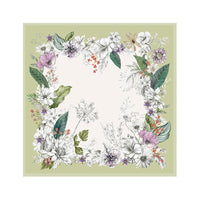
Buying a scarf online often comes down to how a surface pattern reads on screen. An embossed scarf texture can look sculptural in one photo and almost flat in the next, depending on lighting, angle, and how tightly the shot is framed. If you are considering a piece such as the Women's Large Crocodile Embossed Satin Scarf Shawl Shiny Wrap, it helps to know which visual cues are trustworthy and which need seller confirmation or a physical sample. This article walks through what product imagery can reasonably establish for a raised-looking surface, and where you should slow down and ask questions before committing to a purchase or a wholesale order.

What "Embossed Texture" Usually Refers To in a Listing
When a listing title describes an embossed pattern, treat it as a surface-effect label to confirm. The product photography can show a raised-looking or dimensional-looking motif, but a photograph does not establish the production method or the physical depth of the surface.
What the product photos show is the pattern's shape, scale relative to the model or prop, and the way light catches the surface. What they do not confirm is how the texture was produced, how pronounced the relief feels under your fingertips, or whether the effect remains stable after handling. Treat the word "embossed" as a description of appearance in the listing, not a technical specification, unless the seller confirms details in writing.

How Lighting Changes the Way a Raised Pattern Reads
Lighting can change how a raised-looking surface appears in photographs. Compare close-up and full-product images, and note whether the surface pattern remains visible across different views.
When you scan a gallery, note whether the images use consistent lighting or a mix. A hero shot lit for drama may exaggerate depth, while a flat-lay under diffused light may understate it. Neither is dishonest, but each tells only part of the story. If depth matters to you, look for at least one close-up shot where the light grazes across the surface, and one shot in more neutral conditions. Comparing the two gives a more balanced sense of the embossed scarf texture than any single image can.

Angle, Distance, and the Illusion of Depth
Camera angle can also change the visual impression. A close-up, a straight-on view, and a draped product view may make the same surface look different, so compare them before drawing a conclusion.
For the crocodile-style motif described in the listing above, pay attention to the pattern's apparent scale in different shots. A tightly cropped detail image can make individual "scales" look large and bold, while a full-length wear shot may reveal that the motif reads as a fine allover texture from normal viewing distance. Both impressions are valid, but they answer different questions. Ask yourself which viewing distance matches how you or your customers will actually see the scarf.
What Colour and Sheen Can Hide or Reveal
A reflective-looking surface can add another layer of uncertainty in product photographs. If the gallery shows several views, compare how the visible pattern changes with the light and pose used in each image.
If you are considering a colour or view that is not clearly represented in the gallery, ask the seller for an additional image of that specific option. Product photos can suggest colour and finish, but a screen image is not a final colour match.
Drape and Movement: What Still Photos Cannot Prove
A scarf is a moving object in real life. Product photos, even good ones, freeze it in a chosen pose. You can learn a lot about how a piece falls from a well-styled shot, but you cannot learn how heavy it feels in the hand, how it behaves when tied, whether the texture softens with wear, or how it sits against different garments.
The listing images are useful reference points for the visible pattern and overall styling presentation. They are not, however, evidence of weight, hand-feel, warmth, slip resistance on the shoulders, or how the fabric responds to knotting. Any of those attributes should be confirmed with the seller or, ideally, through a physical sample before a larger commitment. Photos establish appearance; only handling establishes feel.
Compare More Than One View Before Sampling
Before you request a sample, keep a short record of what each gallery image seems to show. Note whether the raised-looking pattern appears strongest in a close view, a full drape, or both. Note where folds or highlights make the pattern harder to read. These notes are not specifications; they simply turn a general question about texture into a request for the exact additional photograph or sample detail that would resolve it.
A Practical Sample Check List
If you can request a sample before ordering in quantity, use a short, structured checklist rather than a general impression. Focus on what photos genuinely cannot answer:
- Feel: Run your fingertips across the surface. Is the raised effect noticeable, subtle, or barely perceptible? Does it feel consistent across the whole piece?
- Pattern repeat: Lay the scarf flat and look for the point where the motif restarts. Note whether the repeat is regular, whether any seams or joins interrupt it, and whether the pattern aligns near the edges.
- Edge finish: Examine how the scarf is finished at its borders. Look at both long and short edges under good light and note anything that differs from the product photos.
- Appearance under normal light: View the scarf in the lighting your customers will actually see, such as daylight near a window and standard indoor lighting. Compare the impression with the product images.
- Drape test: Fold, tie, and drape the scarf as it would be worn. Check whether the texture remains visible in normal styling or whether it disappears into the folds.
Document your findings with your own photos taken under consistent conditions. This gives you a personal reference that is more relevant to your context than any listing image.
Frequently Asked Questions
Can photos confirm that an embossed scarf has a strongly raised texture?
No. Lighting and camera angle can make a surface pattern appear deeper or flatter than it feels in hand. Compare close and full views to understand the visible motif, then use a physical sample if the degree of relief matters to your buying decision.
Why can the same embossed pattern look different across product photos?
The angle, viewing distance, folds and direction of the light all change the contrast around a raised-looking motif. Compare images taken at different distances and treat the differences as visual context, not proof that the surface itself has changed.
What should I check on an embossed scarf sample?
Check how noticeable the texture feels across more than one area, whether the pattern repeat appears consistent, how the edges are finished and whether the motif remains visible when folded or draped. Record only what the specific sample shows and confirm any composition or care detail separately.
Talking to the Seller Before You Commit
Product photography is a starting point, not a contract. When any detail matters to your decision, put your question in writing and ask the seller for a clear reply. Reasonable questions include requests for additional close-ups, clarification of what the listing terms mean, or information about how the piece is packaged and finished. Specific written questions make it easier to compare the seller’s reply with your requirements.
For the Women's Large Crocodile Embossed Satin Scarf Shawl Shiny Wrap, or any scarf where the embossed scarf texture is central to your buying decision, treat the images as evidence of appearance and the seller's written answers as evidence of specification. If you are a small retailer considering a repeat order, request a sample, run through the checklist above, and contact WomanScarf directly with your remaining questions before you scale up. Clear communication at the enquiry stage saves time later and helps you present the product to your own customers with confidence.
For a sample or a product-specific specification question, contact WomanScarf.