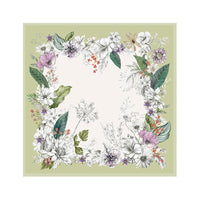
Uzbekistan occupies a central place in the textile history of Central Asia: its traditional scarves and head coverings combine centuries-old dyeing and weaving techniques with highly symbolic patterns, producing garments that function as both daily clothing and cultural signifiers. For merchants and designers, authentic Uzbek pieces—especially hand-woven ikat (khan-atlas) and suzani-embroidered textiles—offer clear differentiation in the market due to their provenance, technique and visual impact.

Historical context: change and continuity:
In the late 19th and early 20th centuries, head coverings and full-coverage garments were common across Uzbek cities and rural areas; Soviet policies in the 1920s–30s (the hujum campaign) promoted unveiling and social transformation that substantially altered public dress. Despite these upheavals, local textile production survived and adapted: ikat weaving and embroidery traditions were preserved within households and workshops and remain key to regional identity today.
Key textiles and techniques: Khan-Atlas (Ikat) and Suzani
The best-known Uzbek textile for scarves is khan-atlas—warp-ikat silk characterized by blurred, cloud-like motifs produced by resist-dyeing yarns before weaving. Margilan and the Ferghana Valley are historic centers for this craft; authentic pieces are hand-dyed and hand-woven, and their patterns (teardrops, diamonds, stylized florals) carry local meanings. Suzani denotes richly embroidered panels—originally made as dowry textiles—whose floral and medallion motifs have been integrated into shawls, wall hangings and ceremonial coverings.
Regional styles and wearing practices:
Across Uzbekistan, women historically used more than one scarf: a plain muslin “doka” for daily coverage and a decorative overlay or forehead wrap (peshona rumol) for shaping and ornament. Regional variants (Samarkand, Bukhara, Khorezm, Margilan) emphasize different palettes and motif systems; understanding these variations helps merchants select inventory that matches specific aesthetic or cultural narratives.
Materials, quality signals and product care:
Authentic Uzbek scarves are commonly silk (pure or silk-cotton blends), embroidered cotton (suzani), or fine cotton muslin. Quality markers include: ikat patterns that are the result of yarn-resist dyeing rather than surface printing; hand-stitched suzani embroidery with natural silk threads; and provenance from recognized workshops (e.g., Margilan). Care guidance should be explicit on product pages: dry-clean or gentle hand wash cold for silk ikat, avoid bleach and prolonged direct sun, and recommend professional cleaning for heavily beaded or embroidered items.

Modern market, sourcing and pricing considerations:
Uzbek textiles are actively traded on global artisan marketplaces; demand is strongest for verifiable hand-made ikat and antique or high-quality suzani. For wholesalers and e-commerce retailers, source verification (workshop origin, hand-dyed vs printed, material test) is essential to justify pricing. Curated storytelling—documenting technique, region (e.g., Margilan), and small-batch production—supports higher margins.
How Womanscarf.com sources and what to highlight on product pages:
At womanscarf.com we emphasize traceable ikat and embroidered pieces: list the production method (hand-dyed warp ikat, hand-embroidered suzani), origin (Margilan / Fergana), and care instructions prominently. Use keywords such as “Uzbek ikat silk,” “Margilan handwoven atlas,” and “suzani embroidered shawl” in titles and H1/H2 tags to improve SEO and attract buyers seeking authentic Central Asian textiles.
Q&A:
Q1: How can I tell real ikat from printed imitations?
Look for irregularities where colors “bleed” at motif edges (a hallmark of resist-dyeing), inquire whether dyeing was applied to yarn (warp or weft) before weaving, and request provenance (Margilan or named workshop).
Q2: What are recommended care steps for an Uzbek silk scarf?
Recommend dry cleaning for delicate antique or heavily embroidered pieces; for modern handwoven silk ikat, a gentle cold hand wash and flat drying in shade is acceptable. Clearly label each SKU with care instructions to reduce returns.
Q3: Can I buy Uzbek scarves wholesale for resale?
Yes—womanscarf.com offers a curated selection of Margilan ikat and suzani-style shawls for wholesale orders. Contact our wholesale team with specifications (material, minimum order quantity, finishing) and request provenance documentation for high-value lots.
Conclusion & call to action:
Uzbek scarves combine distinctive craft techniques with strong cultural narratives that resonate in international markets. For retailers, prioritizing provenance, clear product education, and accurate care instructions transforms traditional textiles into premium, sellable assets. Explore our curated Uzbek collection at womanscarf.com to view authenticated ikat and embroidered pieces suitable for boutique and wholesale buyers.