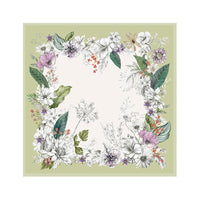
Bamboo fiber scarves have become a distinctive category in the modern accessory market, prized for their soft hand, breathability, and perceived sustainability. This article explains what “bamboo” means in textile terms, compares major production methods, summarizes performance and care, and offers practical buying and merchandising advice for retailers. Throughout the text we use commonly searched terms such as bamboo scarf, bamboo viscose, bamboo lyocell, eco-friendly scarf, and wholesale bamboo scarves to help you optimize product pages and marketing.

What “bamboo” really refers to in fabrics:
“Bamboo fiber” on fabric labels is not always a simple, single process name. On the market, you will find viscose from bamboo (often labeled simply as “bamboo”), bamboo lyocell (produced via a closed-loop solvent process and sometimes sold under brand names such as TENCEL™ when applicable), and—far less commonly—mechanically separated bamboo fiber. Each method yields different tactile qualities, environmental footprints, and price points; accurately declaring the processing method on product pages is essential to avoid consumer confusion and regulatory issues.
Production methods and what they mean for sellers:
From a sourcing and merchandising perspective, distinguish clearly between viscose/rayon from bamboo and lyocell produced from bamboo cellulose. Viscose processes typically use more aggressive chemical steps and therefore are lower cost but carry higher environmental compliance requirements at the mill level; lyocell uses a recyclable solvent in a closed-loop system and often commands a premium price due to better environmental credentials. Mechanical processing of bamboo is comparatively rare and rarely used for fine scarves because it is difficult to achieve a silky hand. Use the correct technical term (for example “viscose from bamboo” or “bamboo lyocell”) on Shopify product attributes and in your specifications to help buyers and B2B customers make informed choices.
Performance: touch, breathability, and functional claims:
Bamboo viscose scarves are popular because of their silk-like softness and excellent moisture handling; they are typically lightweight, breathable, and comfortable against the skin. Some suppliers and brands advertise antibacterial or odor-resistant properties based on natural bamboo components or finishing treatments — such claims should always be supported by third-party laboratory test reports before being used in marketing. For product descriptions, emphasize verifiable performance (e.g., breathability, lightweight, skin-friendly) and include any test citations or certificate images on the product page to increase buyer confidence.
Environmental considerations and truthful marketing:
Bamboo as a raw material has ecological advantages because of rapid growth and low pesticide needs; however, sustainability depends heavily on processing. When a product is made via standard viscose processes, the environmental footprint is tied to the mill’s solvent recovery, wastewater treatment, and energy use. If your scarves use lyocell/bamboo lyocell you should state that and display supporting documentation; if they are viscose from bamboo, avoid blanket “100% natural” or “fully sustainable” claims and explain the steps you take to verify supplier practices. Transparent, evidence-based statements reduce risk of greenwashing accusations and increase conversion among eco-conscious buyers.
Certifications, labeling, and legal compliance:
From a legal and e-commerce standpoint you should list the fiber content using recognized terms (for example “Viscose (from bamboo) 100%” or “Bamboo lyocell 100%”) and, where applicable, show OEKO-TEX® Standard 100 or other relevant test certificates. Avoid ambiguous labels such as “100% bamboo” without process clarification; many marketplaces and jurisdictions require clear fiber identification. For wholesale listings on your site or B2B materials, include sample certificates and explain testing scope (e.g., harmful substances screen, antibacterial efficacy tests).

Care instructions and product longevity:
To minimize returns and negative reviews, present clear wash-care guidance: recommend gentle hand wash or a delicate machine cycle in cold water (≤30°C), mild detergent, avoid bleach, reshape and dry flat or hang in shade, and use low-temperature ironing if necessary. Mention expected behavior after washing (e.g., slight shrinkage potential, hand feel changes) and advise customers to follow care labels; providing a short care card with each wholesale order or retail package reduces misuse and warranty claims.
Buying and merchandising tips for your Shopify store:
When listing bamboo scarves on Shopify, optimize product titles and meta-data with prioritized keywords (e.g., Bamboo Viscose Scarf — Lightweight Breathable Wrap, Wholesale Bamboo Shawl, Eco-friendly Bamboo Hijab). Include a short specification table (fiber content, GSM/weight, width/length, recommended care, certifications) and an FAQ addressing common buyer concerns. Use lifestyle photography showing drape and scale, and include close-ups of weave and edge finishing. For B2B customers, provide MOQ, lead time, and custom options (branding, hang tags, packaging). At womanscarf.com we list these technical fields prominently so buyers can quickly compare SKUs and make confident purchasing decisions.
How to style bamboo scarves:
Bamboo scarves work across seasons: offer lightweight, printed bamboo chiffon or viscose wraps for spring/summer styling, and medium-weight bamboo-blend knit or jersey for cooler days. Promote multi-use copy such as “travel scarf, hijab, neckerchief, or shawl” to increase perceived utility. Create bundled offers (e.g., travel set, hijab starter pack) and cross-link to related categories like silk scarves and modal blends to drive average order value.
Frequently Asked Questions (Q&A) — with short answers
Q1: Is bamboo fabric always eco-friendly?
A1: Not always. Bamboo as a plant is renewable, but the environmental profile depends on processing. Lyocell (closed-loop) is more environmentally favorable than conventional viscose; therefore verify mill practices and ask for solvent recovery and wastewater treatment information when sustainability is a selling point.
Q2: How should customers wash bamboo scarves?
A2: Recommend hand wash or delicate cycle in cold water, mild detergent, avoid bleach, reshape while damp and dry in shade; follow label instructions for best results.
Q3: What is the difference between bamboo viscose and bamboo lyocell?
A3: Bamboo viscose is regenerated via a traditional viscose route and can involve more aggressive chemicals; bamboo lyocell is produced using a closed-loop solvent system with higher solvent recovery rates and is generally marketed as a higher-certified option. Use precise terms on labels and product descriptions.
Q4: Can bamboo scarves be sold wholesale? What should retailers request?
A4: Yes. Wholesale buyers should request samples, technical sheets (GSM, dimensions), lead times, MOQ, and certificates (OEKO-TEX or specific lab reports). Negotiate packaging, labeling, and sample wash testing before committing to large orders.
Q5: Are bamboo scarves suitable for sensitive skin and babies?
A5: Bamboo-derived fabrics are often soft and low-irritant, but for baby-use or sensitive skin claims ask for dermatological or OEKO-TEX test results and avoid unverified absolute claims.
Q6: How can I feature bamboo scarves on womanscarf.com to increase conversion?
A6: Use clear technical specs, lifestyle images that show drape and scale, highlight verifiable certifications, include a short FAQ and care card, and use keyword-optimized titles and meta descriptions (for example “100% Bamboo Viscose Scarf — Lightweight Breathable Wrap”). Consider offering sample packs and bulk discounts for wholesale buyers.
Conclusion and a brief call to action:
Bamboo fiber scarves offer undeniable commercial potential when product claims are accurate and documentation is available. For retailers and wholesalers, the key is transparency: label the fiber and process precisely, provide test certificates when asserting functional or environmental claims, and present clear wash-care and sizing information. If you are sourcing or retailing bamboo scarves, visit womanscarf.com to review our curated selection of bamboo viscose and bamboo lyocell scarves, detailed spec sheets, and wholesale terms.