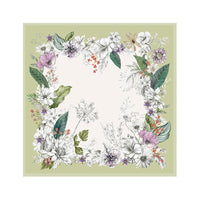
The Turkish scarf industry is a vibrant blend of rich cultural heritage, exquisite craftsmanship, and modern fashion innovation. From ancient Anatolian traditions to contemporary global trends, Turkish scarves have captivated women worldwide. Whether you're drawn to the delicate handmade lace of a traditional Turkish yemeni scarf or the luxurious prints of a Turkish silk scarf, this sector represents one of Turkey's most iconic contributions to the textile world.
Turkey's textile industry, valued at around USD 13-14 billion in recent years with steady growth projected through 2030, plays a significant role in the global market. Scarves, in particular, form a key segment, especially within modest fashion and hijab wear. Brands like Armine and Aker dominate the landscape, producing high-quality eşarp (square silk headscarves) and şal (long rectangular shawls) that are exported to over 140 countries. Production hubs in cities like Bursa and Istanbul employ thousands, combining advanced technology with traditional techniques to create pieces that are both timeless and trendy.
Historical Roots and Cultural Significance:
The history of Turkish scarves dates back to Ottoman times, where head coverings symbolized modesty, status, and regional identity. Traditional styles like the yemeni scarf (also known as yazma or tülbent) originated in rural Anatolia as lightweight cotton headscarves, often adorned with floral prints and intricate oya – handmade needle lace or crochet edging. Oya, a UNESCO-recognized intangible cultural heritage, features delicate motifs inspired by nature, such as flowers, leaves, and fruits, each carrying symbolic meanings like love, fertility, or protection.
In Ottoman society, scarves were essential for women, varying by region and social class. Urban women favored silk eşarp, while rural styles leaned toward practical cotton. Today, these traditions evolve into modern Turkish hijab styles, including voluminous tied-back or knotted designs that offer both coverage and elegance.
Traditional Yemeni and Oya Scarves – Handcrafted beauty with floral lace edging:

Modern Trends and Styles:
Contemporary Turkish scarf fashion seamlessly merges tradition with innovation. The rise of modest fashion has propelled Turkish style hijab to international fame, with designers incorporating premium fabrics like silk, cotton, chiffon, and pashmina. Popular categories include:
Turkish silk scarf and eşarp:
Luxurious square scarves, often printed with intricate patterns, favored by brands like Armine for their glossy finish and durability.
Şal:
Long, rectangular shawls perfect for voluminous or draped styling.
Oya edged scarf and crochet oya scarf:
Hand-embroidered borders adding a unique artisanal touch.
Turkish cotton scarf and Anatolian scarf:
Breathable options for everyday wear.
Global demand for Turkish hijab has surged, driven by e-commerce platforms and influencers showcasing versatile styling – from casual knotted looks to elegant voluminous drapes.
Luxury Printed Turkish Silk Scarves:

Modern Turkish Hijab Shawl (Şal) Styling:

At womanscarf.com, we specialize in sourcing the finest Turkish scarves directly from artisans and manufacturers. Our collection features authentic Turkish headscarves, traditional scarves, hand embroidered Turkish scarves, and floral oya yemeni pieces that embody this heritage. We offer a wide range of Turkish pashmina, Turkish shawls, and needle lace scarves to suit every style and occasion.
Market Insights and Future Outlook:
Turkey is a top exporter of textiles, with scarf and hijab production contributing significantly to its economy. Major brands operate large facilities, ensuring high standards while embracing sustainability – many now use organic cotton and eco-friendly dyes. The global scarves market is growing at around 5-6% annually, with modest fashion leading the charge. Turkish designs stand out for their quality, affordability, and cultural fusion, appealing to customers in Europe, the Middle East, North America, and beyond.
As an international seller on womanscarf.com, we're proud to bring these treasures to a global audience. Our curated selection includes premium Turkish square scarves, embroidered shawls, and versatile Turkish traditional scarves that transition effortlessly from day to night.
Frequently Asked Questions About Turkish Scarves:
1. What makes Turkish scarves unique?
Turkish scarves stand out due to their masterful blend of tradition and modernity. Features like handmade oya lace, high-quality silk or cotton fabrics, and intricate floral designs set them apart. Unlike mass-produced alternatives, many incorporate artisanal elements passed down through generations.
2. What's the difference between eşarp and şal?
Eşarp are square silk or polyester headscarves, often pinned neatly for a polished look – popular in brands like Armine. Şal are longer rectangular shawls, allowing for more voluminous, draped, or knotted styles, ideal for modern Turkish hijab fashion.
3. Are Turkish scarves only for hijab?
No! While many are designed as Turkish headscarves or hijabs, they double as fashionable neck scarves, shawls, or accessories. Non-hijabi women love them for their elegance and versatility.
4. How do I care for a Turkish silk scarf?
Hand wash in cold water or dry clean to preserve the fabric and prints. Avoid direct sunlight to prevent fading, especially for vibrant Turkish silk scarves.
5. Where can I buy authentic Turkish scarves online?
For genuine quality, visit womanscarf.com! We offer a diverse range of Turkish scarves, including oya edged scarves, cotton yemeni, and luxury silk options, shipped worldwide with care.
The Turkish scarf industry continues to thrive, honoring its roots while embracing the future. Whether you're seeking a classic Anatolian scarf or a trendy voluminous Turkish hijab, these pieces offer timeless beauty. Explore our collection at womanscarf.com and discover your perfect Turkish scarf today!