A long scarf can look settled in the mirror and become awkward the moment you close your coat. The ends drift towards the zip, the collar pushes a fold upwards, or the tassels disappear beneath several layers. With a fringed scarf, arranging the ends is as useful as choosing the knot.
Start by deciding whether you want the fringe visible outside the coat or contained inside it. Then arrange the scarf with the zip open, move the fabric clear of the fastening, and close the coat slowly to your usual height. If you have to compress a thick bundle to make it close, change the arrangement rather than pulling harder.
Know the scarf before choosing the arrangement
The WomanScarf Vintage Striped Tassel Shawl provides a concrete example: its current listing identifies polyester and a rectangular size of 195 × 65 cm. The gallery shows long striped panels, contrasting colour sections and substantial tassels at the ends. Those features give you something to display, but also something to position carefully beside a fastening.
The listing does not establish whether the quoted length includes the tassels. Confirm that point if the exact hanging length matters to you. Nor does the size tell you how many comfortable turns it will make around your neck with a particular jacket. Your collar, underlying layers and preferred looseness all affect the result.

Try the outside drape with an open neckline
For an open coat, begin with the middle of the scarf behind your neck and the ends hanging down the front. Fold the width loosely until it sits comfortably, without rolling the whole scarf into a tight rope. Let each end fall beside the opening so you can see the zip and reach its pull.
This arrangement leaves more of the stripe pattern on show. It also avoids packing both ends beneath the coat. Check the scarf against the hem: on a shorter jacket, long tassels may extend below the outer layer, which you might enjoy visually or find inconvenient. There is no required matching hemline; judge the whole outfit rather than treating a model photo as a length guide for your body.
Before changing the zip position, lift the ends away from its path. Do not assume that placing them once will keep them there throughout a walk. A straight drape is a starting arrangement, not a fastening system.
Use one loose turn when you want shorter ends
If the straight drape feels too long, begin with one side longer than the other. Bring the longer side around your neck once and return it to the front. Leave the turn relaxed enough for comfortable head movement, then check where both fringed ends land.
One turn uses some of the hanging length, but it also puts more fabric near the collar. With a high standing collar, that trade-off may be unwelcome. Try the scarf over the collar and then with the collar sitting outside the scarf; keep whichever arrangement lets you move comfortably without forcing the zip against a fold.
Compare the loose turn with the straight drape using the same zip height. Otherwise you may be judging two different coat openings rather than two scarf arrangements. Look at the side view as well as the front: extra fabric at the back of the neck can be easy to miss when you are concentrating on the tassels.

Tuck the ends only where the coat has room
An inside tuck can suit a quieter appearance, with less fringe showing on the outside. Arrange each end flat against your upper body, to either side of the fastening. Keep the tassels away from the zip teeth and pull. Hold the fabric back while closing the coat, so you can see that the path is clear.
Avoid stuffing the ends into a narrow space just to hide them. If the front feels crowded, the scarf pushes into your chin, or the closure becomes difficult, reopen the coat and reduce the layers near the opening. An outside drape may work better with that coat; a different scarf may be the better choice when you need a closely closed neckline.
After sitting down, check the ends again before operating the zip. Fabric can shift as you move. If a strand catches, stop pulling and release the tension rather than trying to force the fastening through it. Follow the garment or fastening maker's guidance for dealing with a snag.
Let the stripes guide the visible portion
The product images show pale narrow lines alongside broader dark and coloured sections. A narrow lengthwise fold can reveal a different balance of stripes from a wider, flatter drape. Try both before adding extra wraps: you may prefer changing the visible panel to increasing the volume around your neck.
With a plain jacket, select one part of the scarf you want to show near the face and another along the front. You do not need to make both ends identical. A slight difference can expose another colour section, while equal ends give the fringe a more orderly line.
The gallery contains several colourways, but the current product has a default variant rather than separately selectable colour variants. Use a particular image as an enquiry reference and confirm which colour can be supplied. A photographed colourway is not an availability promise.

Make the sample check match your daily routine
Try the arrangement with the clothes you actually wear underneath the coat. A scarf that feels manageable over a thin top may sit differently over a substantial sweater. Close the coat to your normal height, turn your head, sit down, and put your usual bag on your shoulder. Notice whether the strap displaces an end towards the zip.
For a boutique sample review, photograph the scarf first in a straight drape and then with one loose turn, using the same coat. Record collar clearance, end position and ease of adjustment. These observations help explain the product to customers without turning a staged gallery image into a claim about tested comfort or performance.
If you are exploring decorative knots instead, the scarf styling ideas guide covers a broader set of arrangements. For a zip-up coat, return to the simpler question: can you operate the fastening while keeping the fabric clear?
Frequently asked questions
Should the tassels sit inside or outside a zip-up coat?
Either position can be a styling option. Outside keeps the fringe visible; inside needs enough room to lay the ends flat. In both cases, move the tassels clear before operating the zip and check again after movement.
Is this scarf wool or cashmere?
The current WomanScarf listing identifies polyester. Its shawl styling and winter appearance do not establish wool or cashmere content. Ask for the current composition and care information when requesting a sample.
Will 195 × 65 cm fit under every coat?
No universal fit follows from those dimensions. Collar shape, coat space, underlying layers and your chosen arrangement matter. Confirm whether the length includes fringe, then try a sample with your own coat.
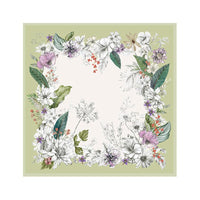
Can I order the green colour shown here?
Confirm it with WomanScarf. The gallery shows the colourway, but the current default variant does not separately identify it. The zero listed price is an enquiry state, not a free scarf offer or a confirmed quotation.
Choose the arrangement your coat can accommodate
Begin with a straight outside drape, then try one loose turn if you want shorter ends. Use an inside tuck only when the coat has room for it. Keep the zip visible while adjusting the scarf, and choose the arrangement that remains comfortable when you sit and move.
View the striped tassel shawl to compare its gallery views. For a sample or wholesale enquiry, contact WomanScarf with the product link, preferred colour image and coat style you want to pair it with. Request confirmation of composition, measurements, care instructions and a current quotation before deciding.