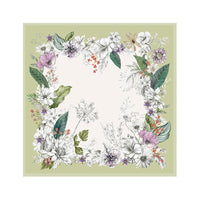
Ink-wash scarves—also described as Chinese ink painting scarves, sumi-e scarves, or watercolor ink scarves—combine the aesthetics of East Asian ink art with contemporary textile techniques. For merchants and consumers alike, these scarves offer a distinctive visual language: monochrome gradients, expressive brushstrokes, and deliberate use of negative space. In this article we examine the historical inspiration, material choices, production methods, quality control criteria, styling recommendations, and commercial positioning for ink-wash scarves, with practical guidance for sourcing and merchandising on an independent store such as womanscarf.com.

Historical and Aesthetic Context:
The visual vocabulary of ink-wash scarves is rooted in classical ink painting traditions, where brushwork, ink density and water control determine tonal variation. Translating these motifs to textiles emphasizes "gesture" over photorealism: landscapes, florals, bamboo, and calligraphic marks become patterns that read well at a distance and retain visual interest close up. For product development, the key aesthetic objectives are preserving ink-wash contrast, ensuring smooth tonal transitions, and avoiding pixelation or banding in printed reproductions.
Materials and Their Visual Effects:
Material selection directly influences how an ink motif appears and performs. Silk and satin enhance luminosity and soften transitions—ideal for high-end silk ink scarves and evening wraps. Chiffon and lightweight viscose (modal/viscose blends) produce a floating, watercolor effect suited for ink painting chiffon scarf designs and summer assortments. Cotton blends and heavier modal fabrics provide structure for everyday wear and wholesale lines. Each material requires a compatible printing or dyeing process to preserve the ink-wash texture and colorfastness.
Production Techniques: Hand, Screen, and Digital:
There are three principal production methods: hand-painted, screen print, and digital direct-to-fabric printing. Hand-painted scarves carry artisanal premiums and unique texture but are limited in volume. Screen printing offers dense, graphic ink marks and good repeatability for mid-range production. Digital printing achieves the most nuanced ink gradients and is preferable for complex ink wash scarf designs; however, it requires precise color management and post-print fixation to meet commercial durability expectations. Choose method by SKU tier: artisanal for limited edition, screen for stable mid-tier SKUs, and digital for photo-realistic or high-variation assortments.

Quality Control and Key Specifications:
A rigorous QC protocol should include: fabric verification (GSM, weave), print fidelity (contrast, gradient smoothness), colorfastness (wash, perspiration, light), seam and hem integrity (hand-rolled hem vs machine-stitched), and odor/chemical residues. For silk and modal scarves, check dimensional stability after finishing and the hand feel (softness and drape). For online product listings, include measurable specifications: dimensions, GSM, fiber content, and recommended care instructions to reduce returns and improve buyer confidence.
Styling, Use Cases, and Product Photography:
Ink-wash scarves are versatile: lightweight chiffon and viscose pieces are marketed as travel and summer accessories; silk and satin variants target evening wear and premium gift segments. Product photography should capture both full-drape images and close-up details of brushwork and fabric texture. For SEO, include alt text such as “ink wash silk scarf” or “brushstroke watercolor chiffon wrap” and use keywords like Chinese ink painting scarf, sumi-e scarf, and brushstroke scarf in titles and metadata.
Commercial Positioning and Merchandising on womanscarf.com:
Segment your catalog into three tiers—Designer/Artisan (limited, numbered), Premium (silk, hand-rolled hem), and Core (digital print cotton/blend)—and create filterable attributes on product pages (material, print method, size, care). Use targeted landing pages for keywords such as ink painting scarf, watercolor scarf, and sumi e neck scarf to capture organic traffic. Feature product bundles (e.g., scarf + care card + gift box) to increase average order value and list SKU-level specifications prominently to reduce pre-sale questions.

Care Instructions for Consumers:
Provide clear, fabric-specific care: silk—hand wash cold or dry clean; chiffon/viscose—gentle hand wash in cold water, avoid wringing; cotton blends—machine wash gentle cycle with low temperature. Always recommend drying flat in shade and storing rolled rather than folded for premium pieces. Include a printable care card with each premium order.
requently Asked Questions (Q&A):
Q1: What is the difference between an ink-wash scarf and a watercolor print scarf?
A1: Ink-wash designs emphasize calligraphic brushwork, high-contrast monochrome gradients, and intentional negative space; watercolor prints tend to prioritize soft, blended color fields and full-color palettes. Both can overlap in style, but ink-wash typically reads as more graphic and minimal.
Q2: Which fabric best preserves ink gradients?
A2: Silk and high-quality modal/viscose generally preserve subtle gradients best because of their smooth surface and dye uptake; digital printing on these substrates yields optimal results when combined with correct color profiles and fixation.
Q3: How should I describe ink-wash scarves on product pages to improve conversions?
A3: Use concise, factual bullets: design inspiration (ink painting tradition), material and GSM, print method, dimensions, care instructions, and a USP (e.g., hand-finished hem, limited edition). Include lifestyle photos and close-ups, and populate metadata with targeted keywords like ink wash scarf and Chinese ink painting scarf.
Q4: What QC checks reduce return rates for printed scarves?
A4: Verify colorfastness, inspect for print banding, ensure correct dimensions post-washing, check edges and seams, and confirm odor/chemical absence. Publish these checks on product pages to build trust.
Conclusion and Call to Action
Ink-wash scarves occupy a compelling niche at the intersection of art and apparel. For an independent retailer, success depends on clear tiered product segmentation, intentional material – process matching, strict QC, and SEO-aware merchandising. At womanscarf.com we offer a curated selection of ink-wash scarves spanning hand-finished silk pieces to digitally printed everyday wraps; each product page includes full specifications, care guidance, and high-resolution imagery to support purchase decisions. Visit womanscarf.com to review our latest collections, request wholesale terms, or order sample swatches to evaluate textile and print quality before committing to a larger SKU buy.