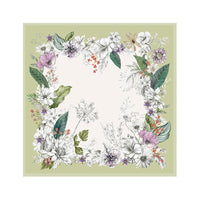
Muslim women’s head coverings are shaped by a combination of religious practice, local custom, climate and fashion. Although the global term “hijab” is often used broadly, regional vocabularies and styling conventions vary markedly between the Middle East and Southeast Asia — and those differences influence choice of silhouette, fabric and how a scarf is worn in everyday life and formal occasions. This article explains the main distinctions and gives practical guidance for retailers and shoppers.

Regional Terminology & Meaning:
- Middle East: Common terms include shayla, khimar, niqab, abaya and keffiyeh, each indicating different silhouettes or functions—from rectangular wraps to full-body outer garments and face coverings.
- Southeast Asia: Typical local terms include tudung, jilbab, al-amira and selendang. These names often correspond to standardized school or workplace styles and consumer preferences for ready-to-wear, easy-to-fasten designs.
Silhouettes & Wearing Style:
- Middle Eastern styles: Tend toward draped, layered silhouettes. Long rectangular shaylas, flowing khimars and abaya-style outerwear are common. Some markets feature face coverings such as the niqab for religious or cultural reasons.
- Southeast Asian styles: Frequently emphasize neat, close-to-face shapes—two-piece al-amira sets, pre-shaped tudungs and well-pinned rectangular wraps are prevalent. These styles prioritize stability and a tidy appearance suited to humid climates and uniformed settings.

Fabric Selection: Climate and Functionality:
-
Middle East: Lightweight chiffons, georgettes, silks and satin blends are often chosen for formal wear or layered styles; undercaps and anti-slip solutions are commonly used to secure draped fabrics.
-
Southeast Asia: Breathable cotton, viscose/modal and anti-slip jersey fabrics are preferred for daily use because they wick moisture, maintain shape and reduce slipping. For both regions, offer a balanced mix of dressy and practical fabrics to address varied use cases.
Color, Pattern & Decoration:
-
Middle East: Classic, often neutral palettes dominate conservative wardrobes; luxury embellishments and understated metallic accents appear on formal pieces.
-
Southeast Asia: Bright prints, batik-inspired patterns and decorative trims (lace, rhinestones) are widely accepted and popular in fashionable modest-wear segments.

Q&A
Q :Which fabric keeps me coolest in hot, humid weather?
A: Choose lightweight cotton or viscose/modal for daily wear; these fabrics breathe and wick moisture better than heavier synthetics. Anti-slip jersey is also a good option if you need stability.
Q: How do I stop my hijab from slipping all day?
A: Use an undercap (bonnet), non-slip inner grips or hijab magnets/pins; select anti-slip jersey or viscose with a textured weave. Some modern shaylas include a sewn-in silicone strip for extra hold.
Q: I need a hijab for formal events. What should I pick?
A: Opt for chiffon, georgette or satin-blend shaylas and khimar styles with refined embellishment (subtle embroidery or metallic thread). Pair with an inner cap and minimal fastenings for a smooth, elegant drape.
Q: Can I wear the same hijab for work and special occasions?
A: Yes. Choose versatile neutrals in high-quality fabrics (e.g., viscose or modal) for daily use; add a decorative shayla or a lightweight chiffon overlay when dressing up.
Q:How should I care for different fabrics?
A:Follow label instructions. Generally: machine-washable cotton and jersey on gentle cycles; hand-wash or delicate cycle for chiffon and satin blends; avoid high heat drying and iron on low when necessary.
Final note & where to shop:
If you are comparing styles, consider building a small capsule: one breathable cotton/viscose tudung for daily wear, one anti-slip jersey for active days, and one chiffon or satin shayla for events. For curated, climate-aware selections and clear bilingual product pages, visit womanscarf.com.