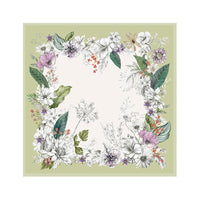
Kashmiri shawls — often called Kashmiri shawls, Pashmina wraps, or Kashmir cashmere — occupy a rare position where textile craftsmanship, cultural history, and luxury retail intersect. For buyers and retail partners who source distinctive inventory for boutiques or international trade, understanding the provenance, characteristics, and care of these shawls is essential. This article explains the cultural roots and practical advantages of Kashmiri shawls, offers guidance for discerning quality, and outlines how professional purchasers can integrate them into curated collections. (For product references, see our curated collection at womanscarf.com.)

Cultural Heritage and Craftsmanship:
The Kashmiri shawl traces its lineage to the high plateaus of the Himalayas, where extremely fine underfiber from the Capra hircus (pashmina goat) was collected and hand-spun into what became prized shawls across Asia and Europe. Over centuries, artisans from Kashmir developed distinct weaving and embroidery techniques — from the classic Kashmiri needlework (tilla and sozni) to the famed paisley (buta) patterns — that transformed these textiles from practical warmth into objects of cultural identity and status.
Key cultural points:
-
Artisan tradition: Many motifs and stitches are passed down within families; motifs often carry regional stories or religious symbolism.
-
Technique diversity: Hand-loom weaving, hand-spun pashmina yarns, and fine hand-embroidery establish the highest-value pieces.
-
Global influence: From Mughal courts to Victorian salons, Kashmiri shawls have long influenced global fashion and remain relevant in contemporary luxury apparel.
Why Kashmiri Shawls Convert — Commercial Advantages:
For merchants and boutique buyers, Kashmiri shawls offer clear commercial strengths that support higher-margin retailing:
-
Perceived and real value: The combination of rare fiber, artisanal labor, and heritage narrative enables justified premium pricing.
-
Longevity and durability: Properly made cashmere/pashmina shawls can last decades, supporting reputation and repeat customers.
-
Versatility: They function as seasonal accessories, bridal wraps, and luxury gifts — widening the target buyer pool.
-
Differentiation: Hand-embroidered paisley or limited-edition patterns help retailers present exclusive collections that stand out on e-commerce platforms.
(Select premium and versatile pieces are available for evaluation at womanscarf.com.)
How to Identify Quality: A Practical Guide
When sourcing, prioritize these quality markers:
-
Fiber origin and content: True pashmina is exceptionally fine; labels reading “100% cashmere” or “Kashmiri pashmina” should be supported by supplier documentation.
-
Weave density and hand-feel: High-quality Kashmir shawls are lightweight yet warm, with a compact hand and smooth finish.
-
Embroidery and finish: Inspect stitch consistency (sozni vs. machine work), thread tension, and pattern alignment. Hand-embroidered motifs will show minor, human variations — a sign of authenticity.
-
Edge finishing & selvage: Clean, hand-stitched edges and finished fringes indicate careful production.
-
Certificates and provenance: Request photos of the artisan process, origin certificates, and quality tests where possible.
For wholesale or curated-boutique orders, we provide detailed product sheets and customization options; contact our trade team through womanscarf.com to receive supplier documentation and sample management support.

Styling, Merchandising, and Merchandising Copy That Sells:
Present Kashmiri shawls through lifestyle imagery and clear usage contexts:
-
Display as a bridal wrap, an evening stole, and a winter travel companion.
-
Use taglines that pair craft + occasion (e.g., “Hand-embroidered paisley for exceptional evenings”).
-
Offer bundled options — shawl + storage box + care card — to increase average order value.
Merchants: consider limited runs with unique colorways or embroidery as “store exclusives.” We accept custom colorways and private-label options to help buyers differentiate their assortments.
Care & Longevity: Instructions to Give Your Customers
Providing precise care guidance reduces returns and prolongs product life:
-
Cleaning: Dry clean recommended for embroidered cashmere; light spot-cleaning with mild detergent for small stains.
-
Storage: Store folded in breathable cotton, away from direct sunlight; use cedar blocks or lavender sachets for moth prevention.
-
Handling: Avoid perfume/spray contact and heavy jewelry snagging; recommend folding rather than hanging to prevent distortion.
A clear care card included with each shipped unit enhances perceived value and reduces after-sales friction.
Subtle Wholesale-Friendly Notes:
While written for end customers, the following assurances help trade buyers evaluate viability:
-
Batch consistency & QC: We maintain batch photos and inspection reports for each lot. (Request trade samples via womanscarf.com.)
-
Flexible MOQ & customization: Custom orders and private-label options are accepted, with MOQ tiers designed for boutiques and international traders.
-
Logistics support: We offer consolidated shipping and documentation for international trade compliance.
Q&A — Frequently Asked Questions
Q1: What is the difference between Pashmina, cashmere, and imitation fibers?
A: Pashmina is a type of cashmere derived from very fine Himalayan underfiber; “cashmere” can be broader (including other sources), while imitation fibers are usually synthetic blends that mimic softness but lack warmth, longevity, and natural luster.
Q2: How can I verify an authentic Kashmiri shawl before purchasing in bulk?
A: Request fiber content certificates, close-up photos of weave and embroidery, a sample swatch, and supplier references. Third-party laboratory testing for fiber composition is available for high-value orders.
Q3: Do Kashmiri shawls require special storage for international shipment?
A: Use breathable packaging and include a care card. For long-term storage post-sale, advise customers to keep items in cotton bags with natural moth repellents.
Q4: Can I order custom designs and private labels?
A: Yes. We accept customization requests and private-label production with agreed MOQs and timelines. Contact our trade team via womanscarf.com.
Q5: What are typical lead times for custom orders?
A: Lead times vary by complexity (embroidery vs. plain weave). Standard custom production typically ranges from 30 to 90 days; expedited options may be available.
Conclusion
Kashmiri shawls are more than garments; they are cultural artifacts that, when presented with transparency and quality assurance, convert exceptionally well for luxury-minded customers and curated retailers. For merchants and boutique buyers seeking to add authentic, high-margin shawls to their assortments — with options for customization and trade support — our collection and trade services can be explored at womanscarf.com. Thoughtful product pages, authoritative storytelling, and rigorous QC are the three pillars that turn cultural heritage into reliable commercial performance.