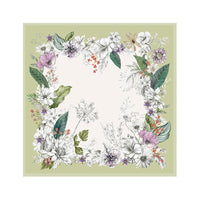
The Muslim headscarf, commonly known as the hijab, is worn by millions of women worldwide as an expression of faith, modesty, and personal choice. Styles vary widely, from the breathable chiffon hijab and soft jersey hijab to practical instant hijab and underscarf options. However, in some countries, laws restrict or prohibit wearing the hijab or other Islamic scarves in certain public spaces, often citing secularism, security, or uniformity. These restrictions highlight ongoing debates about religious freedom and women's rights.
At womanscarf.com, we specialize in wholesale hijab and Muslim scarf options, offering premium materials like modal hijab, cotton hijab, and printed hijab for those embracing modest fashion wherever it's celebrated.

Key Countries with Hijab Restrictions
Restrictions on the hijab and related coverings like khimar or shayla hijab differ by country and context:
- France: One of the strictest in Europe, France bans conspicuous religious symbols, including the hijab, in public schools since 2004. Face coverings (niqab/burqa) are prohibited in all public spaces. Recent discussions include extensions to sports and minors.
- Belgium: Full face coverings are banned nationwide, with some local restrictions on headscarves in schools and public offices.
- Other European Nations: Countries like Austria, Denmark, the Netherlands, and Switzerland have partial bans on face coverings or hijabs in schools/government buildings. Norway and Bulgaria also limit them in educational settings.
- Muslim-Majority Countries: Surprisingly, nations like Tajikistan, Kazakhstan, Azerbaijan, Kyrgyzstan, and Kosovo prohibit hijabs in schools or public institutions to promote secularism or national identity.
- Elsewhere: In parts of India (some schools/uniform policies), and Canada's Quebec (public servants), restrictions apply in specific contexts.
These laws often spark controversy, as many women view the hijab as essential to their identity.

FAQ: Common Questions About Hijab Restrictions
Q: Is the hijab completely banned in any country?
A: No full nationwide bans on the hijab itself exist in most places; restrictions are usually limited to schools, government buildings, or face coverings. Women can often wear modest scarves like the Islamic head covering in private or general public spaces.
Q: Why do some countries restrict Muslim headscarves?
A: Reasons include promoting secularism, ensuring security (for face veils), school uniformity, or national cultural policies.
Q: Where can I find stylish and comfortable hijabs?
A: At womanscarf.com, we offer wholesale hijab supplier options with premium chiffon hijab, jersey hijab, turban hijab, and maxi hijab styles – perfect for modest fashion and everyday hijab needs.
Q: Does this affect all types of Islamic scarves?
A: It varies; plain or printed hijab may be allowed where face-covering khimar is not.
Q: How can women maintain modest fashion despite restrictions?
A: Many choose breathable, fashionable options like our solid color hijab or hijab shawl collections at womanscarf.com for versatile, high-quality choices.
Embracing Modesty with Quality Hijabs
Despite varying global laws, the demand for beautiful Muslim hijab scarves continues to grow. Whether you're looking for wholesale hijab, bulk hijab buys, or custom options, womanscarf.com is your trusted hijab manufacturer and supplier. Shop our range of chiffon, jersey, and instant hijabs today to support modest fashion worldwide!