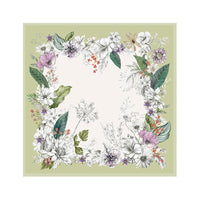
In recent years, the topic of hijab bans has received increasing global attention. Across different countries and regions, legal and social debates have emerged around whether Muslim women are allowed to wear the hijab in public spaces, schools, or workplaces. For millions of Muslim women, the hijab is not only a Muslim headscarf, but also a symbol of faith, identity, dignity, and personal choice.

What Is a Hijab Ban?
A hijab ban generally refers to laws, regulations, or institutional rules that restrict or prohibit Muslim women from wearing the Islamic headscarf in certain environments. These bans may apply to public schools, government offices, workplaces, or specific public spaces, depending on local policies.
Why Do Hijab Bans Exist?
Supporters of hijab bans often argue from the perspectives of secularism, uniformity, or public neutrality. However, critics point out that such bans disproportionately affect Muslim women and limit their freedom of religious expression, education, and employment opportunities.many women are forced to choose between their faith and their participation in public life. As a result, the discussion around Muslim women hijab has become not only a legal issue, but also a human rights and inclusion issue.

Hijab as Choice, Not Obligation!
It is important to understand that for many women, wearing a hijab is a personal decision. Modern modest fashion hijab styles allow women to express individuality while remaining true to their beliefs. From chiffon hijab to modal hijab, today’s hijabs combine comfort, elegance, and functionality.
At womanscarf.com, we believe that every woman deserves the freedom to choose what she wears. We specialize in Arabic style hijab and Islamic headscarf collections designed for Muslim women worldwide. Our products include fashion hijab, luxury hijab, and daily hijab options suitable for different occasions and regions.
Our Arabic women’s hijabs are carefully crafted using high-quality fabrics such as chiffon, viscose, and modal. These scarves are lightweight, breathable, and suitable for long-term wear, especially in Middle Eastern and warm-climate regions. For formal events, we also offer rhinestone hijab and elegant embroidered designs.

Q&A:
Q1: Is wearing a hijab mandatory for all Muslim women?
No. Wearing a hijab is a personal and religious choice. Practices vary depending on cultural background, personal belief, and local traditions.
Q2: Are hijab bans the same in every country?
No. Hijab-related laws differ significantly by country and even by region. Some countries allow hijabs freely, while others impose partial or situational restrictions.
Q3: How can fashion brands support Muslim women?
Brands can support Muslim women by offering inclusive designs, respecting cultural diversity, and providing high-quality Muslim headscarf options that meet both functional and aesthetic needs.
Conclusion:
The conversation around hijab bans reflects broader discussions about freedom, identity, and respect. By offering thoughtfully designed Islamic fashion hijab products, womanscarf.com is committed to supporting Muslim women’s choices and celebrating cultural diversity through fashion.