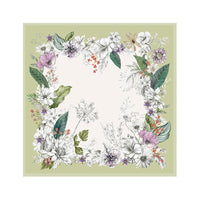
An attached-scarf turban combines a shaped head section with a scarf panel, while a separate scarf keeps those components independent. The attached format can reduce setup decisions; the separate format offers more mixing and repositioning. The right choice depends on fit, styling range and where decoration is placed.
Compare the Setup Sequence
With an attached design, first position the cap or turban section and then arrange the connected tail. With separate pieces, choose and secure the base before adding the scarf. Time both methods using your real routine. A pre-connected product may be faster for one style but less adaptable for another.
Check the Connection Point
Inspect where the scarf joins the head section. Look at seam placement, the direction the tail naturally falls and whether the connection remains hidden in the intended style. Ask for side and back photos because a front-only image rarely shows the complete structure.
Explore the featured WomanScarf product gallery and compare the open, close-up and styled views.

Evaluate Decoration Before Fit Claims
The featured design visibly uses a decorated turban section and attached scarf. Its listing gives 85 × 47 cm and 162 g, but fit cannot be guaranteed from flat dimensions alone. Ask how the head section is measured and request the relevant fit range or sample confirmation. Sequins and beads should be inspected for placement and snag points.
Know the Tradeoff
| Format | Potential advantage | Check carefully |
|---|---|---|
| Attached scarf | Coordinated components and fewer setup choices | Head fit, seam position, fixed tail direction |
| Separate scarf | More mixing and independent placement | Compatibility, fastening and extra setup |
Sample Checklist
Try the product from front, side and back; move through normal head turns; test the intended wrap; inspect decorated areas under clear light; and photograph the final result. For resale, document the exact sample and color rather than describing the whole assortment from one image.
Identify What Is Actually Attached
Product titles do not always explain the construction. Ask for the piece fully opened and locate the head section, scarf panel and joining seam. Confirm whether there is one tail or more than one, whether the decorated area belongs to the cap or the scarf, and whether any element can be detached. These details determine the available styling sequence. A side photograph of the connection is often more informative than a front portrait.
Compare Styling Range Step by Step
With an attached format, test the natural fall first, then one simple wrap and one more secure arrangement. Note whether the fixed connection favors one direction. With separate pieces, test whether the base and scarf stay coordinated during the same movements. Count the decisions and fastening steps required, but do not turn a timed sample into a promise that one format is always faster. Familiarity, hair volume, head shape and preferred coverage can change the result.
Inspect Decoration and Contact Areas
Look at sequins, beads or other visible decoration under clear light. Identify whether decorated areas sit near the face, under an overlapping scarf panel or against another garment. Check the joining seam and edges for visible snag points during the sample test. Record only what is observed on that sample. A photograph can establish placement; it cannot prove long-term comfort or durability. If the product is intended for resale, provide care and composition information only after the current specification is confirmed.
Plan Better Product Photography
A useful gallery should include a full front view, both sides, the back, the open structure and a close-up of the connection point. Add at least one image showing the scarf tail before wrapping. For color options, keep the angle and lighting consistent so shoppers can compare decoration placement. Do not hide the construction behind elaborate styling in every image. The buyer should be able to understand what arrives before deciding how to wear it.
Decide Whether the Format Fits the Assortment
For boutique buying, compare the attached design with products already in the range. It may fill a need for coordinated occasion styling, a defined decorative look or fewer separate components. It may be less suitable when customers expect to mix colors freely or reposition every layer independently. Document the intended customer and styling demonstration before ordering. Staff instructions should show the actual connection and one or two repeatable arrangements, while leaving room for individual preference. This makes the format difference understandable without claiming that it solves every styling problem.
Frequently Asked Questions
Is an attached-scarf turban easier to wear?
It can reduce the number of separate pieces, but ease depends on fit and the intended wrap. Test the actual construction rather than treating the format as a universal shortcut.
Can the attached scarf be styled in either direction?
That depends on where and how it is joined. Inspect the seam and natural tail direction, then confirm available styles with a sample.
Do flat dimensions confirm head fit?
No. They need defined measurement points and do not capture stretch, construction or individual preference. Ask for fit information or sample confirmation.
What should a boutique explain to customers?
Show the attached construction, decoration placement and basic styling sequence. Avoid guarantees about comfort, speed or fit that have not been established.
Questions to Settle Before an Enquiry
Confirm whether the scarf panel is permanently attached, how many tails are present, where the connection sits and which decorated areas remain visible after wrapping. Ask for defined measurement points and current composition information for the exact sample. If several colors are available, request comparable views of the connection and decoration rather than relying on one representative image. Finally, separate product evidence from preference: construction can be documented, while comfort, speed and styling ease still need an individual sample test.
Final Takeaway
Choose from evidence you can repeat: current specifications, complete product photos and a sample test based on the intended use. Avoid treating price, stock, minimum order quantity or delivery timing as permanent; confirm those details in a current enquiry.
View the featured product or contact WomanScarf with the product link, intended use and the details you need confirmed.