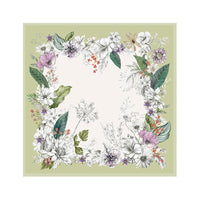
Cotton-linen scarves combine two of the world’s most established natural fibres to produce an accessory that is lightweight, breathable and versatile. Whether positioned for warm-weather wardrobe capsules, resort wear, or everyday layering, cotton-linen blends offer a balanced hand, natural texture, and consumer appeal that supports both fashion and functional claims. This article explains the technical advantages, design considerations, care instructions, sourcing and quality checkpoints, and commercial tips you can use to select or market cotton-linen scarves effectively.
What is a cotton-linen scarf:
A cotton-linen scarf is produced from 100% cotton, 100% linen, or—most commonly—a blended yarn or fabric combining the two fibres in varying ratios (for example 55/45, 70/30 or 50/50). Product forms include long rectangular scarves, oversized wraps and square scarves; constructions vary from open gauze to tight plain or twill weaves. In retail and e-commerce positioning, cotton-linen scarves are typically marketed as “breathable”, “natural-fiber”, “lightweight scarves” ideal for spring/summer and travel uses.
Technical advantages:
-
Breathability & moisture management: Linen and cotton both wick moisture and allow air circulation; a cotton-linen blend offers rapid moisture transfer and a cool hand against skin, making it suitable for warm weather.
-
Balanced drape and texture: Higher cotton ratios soften drape and increase comfort; higher linen ratios add slub texture, body and a refined, rustic appearance favored in lifestyle and resort collections.
-
Durability and low pilling: With correctly selected yarn twist and finishing, cotton-linen fabrics demonstrate good abrasion resistance and minimal pilling compared with many synthetic blends.
-
Thermoregulation: The combined fibers provide passive cooling in heat and comfortable layering in transitional weather, extending seasonal usefulness.
Fabric construction, GSM and sizing guidance:
-
Common GSM ranges: lightweight 80–120 g/m² (beach wraps and airy scarves), midweight 120–180 g/m² (versatile everyday scarves), heavyweight 180–250 g/m² (robust stoles).
-
Typical finished sizes: long rectangular 30–40 cm × 160–200 cm; oversized wrap 70–110 cm × 180–220 cm; square scarves 50–90 cm sides.
-
Design implication: choose finer yarns and lower GSM for drapey, wrinkle-friendly scarves; choose denser weaves and higher GSM for structured wraps and winter transitions.
Finishing, dyeing and care:
Appropriate finishing improves hand and dimensional stability. Typical post-production steps include pre-washing (to soften and reduce subsequent shrinkage), enzyme finishing or softeners (for tactile improvement), and sanforization where dimensional control is critical. Dyeing methods may be piece-dye or yarn-dye; reactive dyes are commonly used for cotton-rich blends while pigment systems are sometimes chosen for linen-dominant pieces. For consumers, label copy should recommend hand wash cold or machine wash gentle, line dry, and low-iron as needed; include care symbols and note that natural fibre products can relax or shrink slightly if not pre-washed.

Sustainability and certifications:
Cotton-linen blends lend themselves to credible sustainability messaging when supported by evidence: organic cotton certificates, OEKO-TEX® Standard 100 for restricted substances, and transparent chemical management at dyehouses. Avoid vague “eco” claims without supplier documentation. If offering recycled content, use recognized standards (e.g., GRS) and provide clear product specifications. At womanscarf.com we list verified composition and care information for each SKU and provide OEKO-TEX test reports on request to support B2B and consumer confidence.
Sourcing, quality control & common defects:
Key checkpoints for procurement: request a fabric specification sheet (composition, GSM, width, weave), sample wash tests for dimensional stability, colorfastness (washing and crocking), and visual/grey-fabric inspections for neps and slub uniformity. Common defects include uneven dyeing, excessive shrinkage, broken selvedge and weak hems; a factory-level QC checklist that includes incoming yarn inspection, grey-fabric inspection, post-dye checks and final product inspection reduces risk. For wholesale inquiries or private-label orders, womanscarf.com provides MOQ, lead-time, and a breakdown of quality checkpoints to ensure consistent delivery.
Design and merchandising tips:
Differentiate with tactile and visual cues: emphasize slub texture, hand-hem vs machine hem, piping or embroidered accents, and sustainable packaging. In product listings use a combination of short-tail keywords (e.g., “cotton linen scarf”, “linen blend scarf”, “lightweight scarf”) and long-tail phrases (e.g., “breathable cotton linen scarf for summer”, “oversized linen blend scarf for layering”). Provide precise product data—composition, GSM, finished dimensions, care instructions and lifestyle images—and highlight “pre-washed” or “softened” where applicable.

FAQ — Frequently Asked Questions:
Q1:uld I choose — 55/45, 70/30 or 50/50?
A1: Choose based on desired hand and appearance: 55/45 or 50/50 yields a balanced texture and drape suitable for general retail; 70/30 (cotton or linen dominant) tailors the product to softer drape (cotton-dominant) or stronger slub and texture (linen-dominant).
Q2: How do I specify GSM and finished size for an online listing?
A2: Provide an explicit GSM range (e.g., 120 g/m²) and finished dimensions (e.g., 35 × 180 cm). Include piece weight as a selling detail to help customers understand drape and portability.
Q3: Are cotton-linen scarves machine washable?
A3: Many cotton-linen scarves are machine washable on a gentle cycle if the fabric has been pre-washed and finished; however, always follow the care label—hand wash cold and line dry is the safest universal recommendation.
Conclusion & call to action:
Cotton-linen scarves occupy a strategic position in contemporary accessory assortments: they answer consumer demand for natural fibres, seasonal breathability and tactile authenticity. For retailers and private-label buyers, careful specification of blend ratio, GSM, finishing and QC checkpoints translate directly into fewer complaints and stronger repeat purchase rates. Explore our curated cotton-linen collection at womanscarf.com to view detailed product sheets, downloadable specification documents and sample ordering information. Contact our sourcing team for MOQ, lead times and custom labeling options.