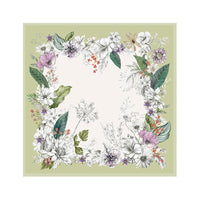
How Boutique Buyers Can Evaluate an Embroidered Hijab Sample
An embroidered hijab sample should be reviewed as both a scarf and a decorated product. Boutique buyers need to check where the decoration sits after folding, whether the border remains visually continuous, and whether the sample record is detailed enough to compare with a later order.
Map the Decoration Zones
Lay the scarf flat and photograph the center, long edges, short edges and all four corners. Then fold it using the presentation your customers are most likely to see. Note which embroidery zones frame the face, fall at the shoulder or disappear inside a fold. Decoration value depends on visible placement, not simply the amount of embroidery.
Inspect Sequins and Stitching Consistently
Use the same light and distance for every sample. Look for loose threads, irregular spacing, snag points and noticeable differences between repeated motifs. Gently handle the decorated edge as a customer would, but do not turn one sample test into a universal durability claim. Record observations and ask the supplier which inspection standard applies to bulk production.
Explore the featured WomanScarf product gallery and compare the open, close-up and styled views.

Confirm the Base Specification
The featured product is listed at 180 × 70 cm and 87 g. Its page uses conflicting material terminology, so composition should be confirmed directly before a material-based buying decision. Dimensions and weight help establish the sample identity; they are not quality scores by themselves.
Build a Buyer Approval Sheet
Give each sample a product ID, color reference, date and image set. Score border continuity, corner finish, decoration placement, visible loose threads and consistency with the approved photo. Add a notes field for differences that are acceptable and differences that require correction. This creates a useful reference for repeat orders.
Questions to Ask Before Ordering
Ask whether embroidery placement may vary, how colors are referenced, how decorated edges are packed, which sample represents the approved standard, and what evidence will accompany production inspection. Current price, order quantity and timing should be confirmed in the enquiry instead of copied from an old article.
Final Takeaway
Choose from evidence you can repeat: current specifications, complete product photos and a sample test based on the intended use. Avoid treating price, stock, minimum order quantity or delivery timing as permanent; confirm those details in a current enquiry.
View the featured product or contact WomanScarf with the product link, intended use and the details you need confirmed.