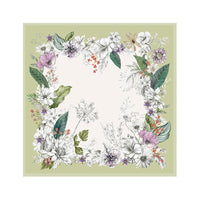
The best way to choose a shemagh scarf for everyday wear is to work from the finished look backwards. Decide how you will usually wear it, then compare the size, material, listed weight, pattern placement and fringe. Product names such as “tactical,” “traditional” or “premium” may describe a style or intended market, but they do not replace the specifications and photographs that help you make a real choice.
This guide gives you a simple method: wearing plan → size → material and weight → fold test → finish → final product check. It works whether you are choosing one scarf for your wardrobe or identifying a pattern before a product enquiry.
Start With the Way You Will Actually Wear It
A shemagh can look completely different when it is open, folded into a triangle or gathered around the neck. Before comparing colors, choose the form you expect to use most often:
- Neck scarf: pay attention to the border, tassels and the colors that remain visible after gathering.
- Shoulder layer: look at the balance between the center motif and the outer border.
- Head covering: verify the finished dimensions and inspect how much fabric is available after folding.
- Statement accessory: choose the contrast deliberately—either a bold focal point or a pattern that repeats colors already in your wardrobe.
This first decision keeps you from choosing only by the flat product image. A design can be striking when fully open yet show mostly its border when worn. The right question is not simply “Which color do I like?” but “Which part of this design will people actually see?”
Check the Finished Size Before Comparing Style Labels
Shemagh listings do not all use identical measurements, so read the dimensions on the individual product page. A square shape allows balanced diagonal folding, but the amount of fabric still depends on the finished size.
The WomanScarf example used in this guide is listed at 130 × 130 cm (51 × 51 in). Treat that as a fact about this product, not a universal shemagh standard. A useful way to judge the measurement is to compare it with a scarf you already own: lay out the familiar scarf, note how much fabric you usually fold or gather, and then compare those dimensions with the listing.
If you are comparing two products, write their measurements in the same unit. This small step is more reliable than trying to judge scale from cropped studio photographs.
Read Material and Weight Together
Material should come from the specification, not from the photograph. The featured scarf is listed as polyester with a product weight of 270 g. Those two facts give you a more useful comparison point than appearance alone.
Weight is not a quality score. It only becomes meaningful beside the dimensions and composition. A larger scarf may naturally weigh more, and a packed shipping weight is not the same as the weight of the scarf itself. When another listing leaves either size or weight unclear, ask before comparing the products as if they were equivalent.
A better comparison: record three facts together—finished dimensions, stated composition and product weight. This gives you a compact specification profile without making unsupported assumptions about softness, climate performance or durability.
Use the Fold Test to Choose a Pattern
The fold test is the most practical visual check for an everyday shemagh. Look at the scarf as a set of visible zones rather than one flat design:
- Find the main background color.
- Identify the center motif and the outer border.
- Note the fringe or tassel color.
- Imagine a diagonal line across the image.
- Ask which colors and motifs remain after that diagonal becomes the folded edge.
A high-contrast border will usually remain prominent when the scarf is gathered. A quieter border can make the overall effect easier to repeat across several outfits. Neither is automatically better; the choice depends on whether you want the scarf to lead the outfit or support it.
WomanScarf’s product gallery shows several color and fringe combinations. The blue example below pairs a patterned body with yellow tassel fringe, making the edge part of the design rather than a hidden finishing detail.

View the full product gallery to compare how the center pattern, border and fringe change from one visual option to another.
Inspect the Fringe and Corners, Not Only the Center
For neck and shoulder wear, the edge often receives more attention than the center of the scarf. Zoom in on the corners and fringe in the real product photos. Check whether the tassels are visually light or prominent, whether their color blends with the scarf or creates contrast, and whether the gallery clearly shows the option you prefer.
If several related designs appear on one page, save or reference the exact image instead of asking for “the blue one” or “the red one.” A screenshot or clear image reference reduces ambiguity, especially when similar color combinations use different borders or tassels.
Know What Each Part of a Product Page Can Prove
A strong online choice comes from combining evidence, not asking one photograph or one product title to do every job. Use the specification table for measurable facts such as size, composition and listed weight. Use the full gallery for pattern placement, border contrast and tassel color. Use the option selector, when present, to identify the exact choice that can be requested.
Treat descriptive words in the title as orientation rather than measurement. Terms such as “military,” “Arab,” “tactical” or “premium” may help place a product within a style category, but they do not tell you how large it is, which material is listed or which design will arrive. When the title, specifications and gallery leave different impressions, pause and ask for clarification instead of filling the gap with an assumption.
This evidence hierarchy also makes comparison faster: first eliminate products that do not meet the required format or size, then compare visual options among the products that remain. It prevents an attractive pattern from overriding a basic specification mismatch.
Make One Final Consistency Check
Before choosing, compare the product title, specifications, option selector and image gallery. They should describe the same product. For the featured WomanScarf scarf, the verified listing details used here are:
| Detail | Listed information |
|---|---|
| Format | Square scarf |
| Size | 130 × 130 cm / 51 × 51 in |
| Material | Polyester |
| Weight | 270 g |
| Finish | Tassel fringe |
| Visual choice | Multiple patterns and colors shown in the gallery |
The product currently follows an enquiry path. Use the gallery to identify the design you want, then confirm current price, availability and order details rather than treating the displayed price state as a retail offer.
A 60-Second Shemagh Scarf Checklist
- How will I wear it most often?
- What are the exact finished dimensions?
- Is the material clearly stated?
- Is the listed weight for the scarf itself?
- Which part of the pattern will remain visible after folding?
- Do the border and tassel colors work with my wardrobe?
- Have I checked the full gallery instead of only the first image?
- Can I identify the exact image or pattern when I enquire?
If you are still undecided, diagnose the reason. If the scarf seems visually too busy, compare the border rather than the center. If it seems too large or small, return to the finished dimensions instead of the model photo. If two options appear almost identical, compare the corners, fringe and repeated motifs. Each uncertainty points back to a specific piece of evidence you can check.
Frequently Asked Questions
What size shemagh is suitable for everyday wear?
There is no single size that suits every wearing method. Compare the finished dimensions with a scarf you already use comfortably, then consider how much fabric your preferred fold requires. The product featured here is listed at 130 × 130 cm (51 × 51 in).
How do I choose a shemagh pattern online?
Look beyond the flat center image. Compare the background, border and fringe, then imagine the scarf folded diagonally. Use several gallery images to see which elements are likely to remain visible.
Does a heavier shemagh mean better quality?
No. Weight is a comparison detail, not a grade. Read it together with the size and material, and confirm that the number refers to the scarf rather than packed shipping weight.
What should I include in a product enquiry?
Send the product link, the exact image or pattern you prefer, the quantity you are considering, your destination and any timing requirement. This gives the seller enough context to confirm the current commercial details without guessing which option you mean.
Choose From the Details You Can Verify
A good everyday shemagh is not selected by the longest product title. It is selected by matching a real size, stated material, useful weight reference and visible design details to the way you plan to wear it. Start with your wearing method, perform the fold test, inspect the fringe, and then check that the listing is internally consistent.
Explore the 130 × 130 cm WomanScarf shemagh scarf and its product gallery. When you have identified a preferred design, contact WomanScarf for current price, availability and order details.