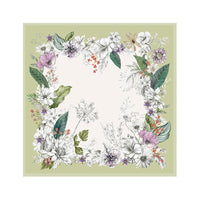
The practical difference between a ruana and a shawl is structure. A shawl is generally an uncut wrap that the wearer positions and secures. A ruana uses an opening or split that helps the front panels fall on either side of the body. That change affects coverage, movement and merchandising.
Start With the Flat Shape
Ask for a completely open photograph. On a ruana, identify the back panel, front opening and panel lengths. On a rectangular or square shawl, identify the uninterrupted fabric area. Flat shape explains more than a styled model image because it shows how the garment is constructed before draping.
Compare Layering Behavior
A ruana naturally creates two front panels and can be worn open, crossed or belted if the design allows. A shawl provides more free placement but usually needs active wrapping, tucking or fastening. Neither is automatically easier: the better option depends on whether the wearer values a defined opening or flexible positioning.
Explore the featured WomanScarf product gallery and compare the open, close-up and styled views.

Read Measurements in Context
The featured ruana is listed at 160 × 135 cm and 500 g. Compare those figures with the wearer and the intended base layer. A large measurement can produce broad coverage, while weight and construction affect how substantial the piece feels. Do not transfer these specifications to other ruanas.
Inspect Pattern Across Panels
For a geometric design, check whether the central motif sits on the back, how borders travel down the two fronts, and whether the pattern remains balanced when one panel is thrown over a shoulder. Request front, back and open-flat views in the same color. This prevents choosing from a cropped photograph that hides the construction.
Ruana or Shawl Decision Table
| Need | Usually inspect first |
|---|---|
| Defined open front | Ruana opening and panel balance |
| Maximum wrapping freedom | Shawl length, width and edge finish |
| Patterned back view | Ruana center motif placement |
| Compact neck styling | Shawl bulk after folding |
Compare Coverage Without Assuming Fit
Coverage depends on more than the largest dimension. On a ruana, the position and depth of the opening affect how much fabric falls at the front and how the back panel sits. On a shawl, the wearer decides where the center rests and how much length is allocated to each side. Use a familiar garment as a reference and compare flat measurements, but treat the result as an estimate rather than a fit guarantee. Styled photographs should include front, side and back views on the same look.
Think About the Wearer’s Routine
A shopper who wants a defined open-front layer may prefer the structure of a ruana. Someone who enjoys changing wraps may value the uninterrupted shape of a shawl. Consider whether the item will mostly be worn open, crossed, secured or carried as an extra layer. Also consider how often it needs to be removed and reapplied. These routine questions are more useful than declaring one format universally easier. Accessories such as belts or pins should only be suggested when the actual construction and intended styling support them.
Evaluate Drape, Bulk and Base Layers
Weight provides context but does not describe drape by itself. Construction, yarn, finishing and dimensions all influence how a piece falls. Test a sample over the kind of base layer customers are likely to wear, such as a light top or a more substantial outer layer. Observe the shoulder line, front-panel movement and bulk when one side is crossed. Do not promise warmth, softness or seasonal performance unless reliable evidence supports those claims. Instead, describe visible structure and invite buyers to confirm specifications.
Merchandise the Two Formats Clearly
Show a ruana open so customers can see the split and front panels; show a shawl fully unfolded so its uninterrupted shape is clear. Include a simple diagram or measurement labels when photographs make the construction ambiguous. In a boutique, group styling photographs with a flat-shape image rather than relying only on model poses. Clear format naming reduces returns caused by shoppers expecting sleeves, closures or a conventional rectangular scarf that the product does not have.
Use the Comparison in Customer Guidance
Translate the construction difference into a simple shopper question: “Do you want a piece that already creates an open front, or a wrap that you position yourself?” Follow that with photographs of the actual item rather than generic category promises. For online merchandising, state whether the displayed styling uses any accessory that is not included. For wholesale selection, record the intended season, base layer and presentation method, while avoiding unverified warmth or performance claims. This keeps the comparison helpful without turning general category tendencies into guarantees about one product.
Frequently Asked Questions
Is a ruana the same as a poncho?
The terms can overlap in retail usage, but construction varies. Check the actual opening, seams and panel shape instead of relying on the category name alone.
Does a ruana need a closure?
Not necessarily. Many are designed to hang open. Confirm whether the featured product includes any closure rather than assuming one from styled photography.
Which format offers more styling freedom?
A shawl generally allows more independent wrapping, while a ruana provides a defined open-front structure. The better choice depends on the intended routine and actual dimensions.
What should wholesale buyers request?
Ask for an open-flat image, front and back styled views, defined measurement points, current composition details, color references and confirmation of any included fastening or accessory.
A Final Pre-Purchase Check
Return to the flat shape before deciding. Confirm the opening, panel layout, finished measurements, current composition information and what—if anything—is included with the piece. Then compare those facts with the intended base layer and preferred styling routine. If the gallery only shows one pose, request the missing open, side or back view. For wholesale enquiries, identify the exact color and product link and ask for current commercial terms separately. This final check keeps a useful category comparison connected to the real item being considered.
Final Takeaway
Choose from evidence you can repeat: current specifications, complete product photos and a sample test based on the intended use. Avoid treating price, stock, minimum order quantity or delivery timing as permanent; confirm those details in a current enquiry.
View the featured product or contact WomanScarf with the product link, intended use and the details you need confirmed.