A useful scarf product video lets a shopper follow what happens to the fabric. Begin with one folded scarf, open it within the frame, arrange a simple drape and let the fabric settle before ending the take. Keeping that action continuous makes the transition easier to understand than a sequence that jumps straight from a folded stack to a finished pose.
The WomanScarf Morandi colour plain scarf offers a concrete reference for this plan. Its current material attribute lists 100% polyester and dimensions of 200 × 40 cm. The gallery shows a plain surface, fringed ends and several colour presentations. The photographs below help plan the demonstration; they are not frames from a video we have filmed.
Give the take one clear question
Decide what this particular video needs to explain. For a fold-to-drape demonstration, the question is how one folded item opens and rests when arranged, rather than how many different knots can be fitted into a clip.
Write the action in ordinary words before recording: show the folded scarf, open it, place it in a drape, release the supported sections and pause. That small outline helps the person handling the scarf know where the take begins and ends.
Shopify's product-demo guide recommends planning the script and shots before filming. For this scarf, turn that preparation into a rehearsal of the actual movement.
Keep other messages separate. A material explanation, a colour comparison and a detailed tying tutorial may each deserve their own treatment. They do not all need to interrupt this simple transition.
Identify the scarf before the action starts
Choose one actual item and keep it throughout the take. A group of folded colours may help you select the reference, but switching colours midway makes it harder to follow the demonstration.
Start with the folded scarf visible on a clear surface or held where the camera can see it. Leave your hands still briefly so the viewer has a moment to recognise the starting arrangement.
Use a product or colour reference in your working notes. If you film another option afterward, label that recording separately instead of relying on memory of similar pale or dark shades.
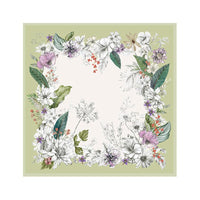
For the featured product, the green standalone gallery view provides one possible reference. Its small visible label does not replace the written product specification or confirm a separate branding service.

Rehearse the widest movement before recording
The scarf may need more room when open than it does in the folded opening. Rehearse the full action while watching the camera preview, including the point where your hands move farthest apart.
Choose the frame around that widest useful movement. Leave space beside the outer edges and beneath the lowest end, rather than discovering halfway through the take that the fringe disappears below the picture.
Keep the camera steady while rehearsing. If another person operates it, agree whether the camera will remain in place or follow a movement. A simple fixed view is a useful first attempt because it lets the fabric action remain the main change.
A long scarf may not fit comfortably into every close vertical composition. Step back, change the setup or plan a separate overview if needed. Do not crop away an end and present the resulting frame as a complete view of the open item.
Open the folds where the viewer can follow them
Begin recording before your hands start moving. Lift and open the folded sections at an ordinary pace, keeping the item inside the frame.
Let the camera see which section you are holding and where the rest of the scarf goes. If a hand covers the same area throughout the opening, change the grip during rehearsal rather than hiding the transition with a cut.
Avoid shaking or throwing the fabric simply to create movement. For this demonstration, ordinary handling gives the shopper a clearer view of how the folded item becomes an open length.
If a section catches beneath another fold, reset and record another take. A smooth demonstration can come from rehearsal; it does not need to suggest that the scarf opens perfectly under every condition.
You can keep the less polished take as a working comparison. Review which movement became unclear before deciding what to change in the next attempt.
Show the moment when support is released
After opening, place the scarf in the simple drape you have chosen. A person or a suitable display form can provide a reference, provided the arrangement is clear.
Keep the release visible. If your hands have been lifting the ends, lower them gently and pause after letting go so the viewer can see how the fabric settles in that particular arrangement.
Do not stop the take while an unseen hand is still supporting a section. That can make a held shape look like the scarf's resting position.
The hanging gallery view illustrates a different presentation from a folded stack. For your recording, capture the transition between positions with the same actual item rather than assembling unrelated still images and calling them a handling demonstration.
A drape video records appearance in one setup. It does not establish warmth, softness, stretch recovery or crease resistance. Keep those claims separate from what the camera actually shows.

Let the ending remain still
Once the scarf is arranged and your hands are clear, allow the final position to remain visible before ending the recording. A viewer needs time to understand what changed.
Keep both ends in view when they are part of the demonstration. If one sits behind the wearer or display, make that placement obvious instead of letting it appear to have vanished.
For a simple turnaround, rehearse it as part of the same action. Turn slowly enough for the camera to follow the scarf rather than moving immediately into another pose.
There is no required duration that fits every scarf demonstration. Watch the result and ask whether the opening, release and resting position can each be understood. Shorten idle time without rushing the useful movement.
Keep separate details separate in the edit
A closer view of a fringed end or visible surface can add information after the continuous take. Present it as an additional detail, with enough surrounding fabric to locate the area.
Avoid placing a close-up cut across the moment of release. The main value of this demonstration is seeing how the same item moves between arrangements without having to guess what happened off camera.
If you trim the beginning or end, keep the complete useful action. Do not join two different drapes and imply that the fabric travelled between them in one uninterrupted movement.
Retain the original take alongside the edited version. It gives you a reference when reviewing whether a crop, speed change or transition has made the action less clear.
The gallery's stacked colours can support planning a separate colour presentation. They do not establish a multipack, and they should not replace a recording of the selected sample.

Review the video without your explanation
Play the finished clip without talking over it. Can someone follow the folded start, the opening and the released drape from the picture alone?
Then review it with any captions or narration. Keep those words tied to the action and confirmed facts. A caption should not turn a gentle fabric movement into a performance test.
Watch the version you intend to share, including its crop. If an end or the release disappears in the final framing, return to the edit or record another take.
Ask a colleague to describe what happened. If they cannot tell when your hands stopped supporting the scarf, that identifies a specific moment to improve.
Frequently asked questions
Does the entire product video have to be one take?
No. Keep the fold-to-drape action continuous when that transition is the point. Separate detail views can follow, provided they are clearly additional shots.
Can I show several colours in the same unfolding action?
Film each actual item separately for this demonstration. A separate colour-comparison sequence can identify the options without confusing the continuity of one scarf.
Can this clip prove the scarf's exact dimensions?
Not by appearance alone. The listing gives 200 × 40 cm; confirm current specifications and use clearly documented measurement evidence when dimensions need to be demonstrated.
Does a fluid drape prove the scarf contains cashmere?
No. The featured product's material attribute lists polyester. Movement, visible texture and a soft-looking presentation do not establish another fibre.
Make the transition easy to understand
Rehearse the widest movement, keep the same item visible and show the release before holding the final position. That gives your short demonstration a clear job.
View the Morandi colour plain scarf for the product reference and current retail details. For a sample, wholesale or customization discussion, contact WomanScarf with the colour image you want to use and the specifications or supplied-media permissions you need confirmed.